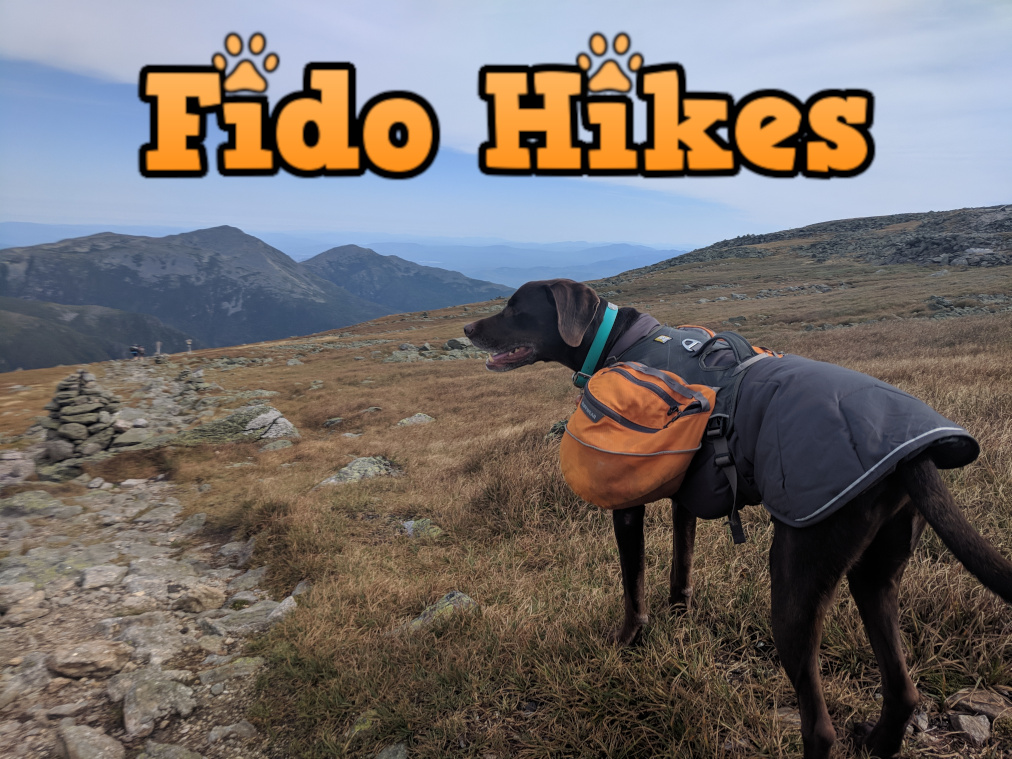

The first night on the AT, I watched Toby shiver on bare ground while I zipped into my 20-degree quilt. His gear was an afterthought. Mine wasn’t. That was the last night I made that mistake.
This is the complete dog gear list for thru-hiking that I built over 900 miles on the Appalachian Trail with Toby, a 75-pound chocolate lab and German shorthaired pointer mix. Total cost: $880. Total pack weight for his gear: roughly 12 lbs.
This list is built for AT, PCT, and CDT thru-hikes. Not day hikes, not overnighters. Gear that survives five months of daily abuse, rain, river crossings, and rock scrambles. Every item earned its spot.
The guide is organized by category so you can build your kit piece by piece. And if you’re planning an AT thru-hike, you need to know about the Great Smoky Mountains problem. Dogs are banned from roughly 70 miles of backcountry AT trails there, and you’ll need a shuttle plan before you even leave the trailhead.
Pack, Harness & Collar: Your Dog’s Carry System
Your dog’s weight budget determines everything else on this list. The safe range is 10-15% of body weight including the pack itself. Very fit, stocky breeds can handle up to 25%, but most thru-hiking dogs should stay at or below 15%.
| Dog Weight | Safe Carry (15%) | Pack Weight | Actual Payload |
|---|---|---|---|
| 40 lbs | 6 lbs | 0.73-1.3 lbs (Approach) | 4.7-5.3 lbs |
| 50 lbs | 7.5 lbs | 0.73-1.3 lbs (Approach) | 6.2-6.8 lbs |
| 60 lbs | 9 lbs | 1.75-2.15 lbs (Palisades) | 6.85-7.25 lbs |
| 70 lbs | 10.5 lbs | 1.75-2.15 lbs (Palisades) | 8.35-8.75 lbs |
For thru-hikes, the Ruffwear Palisades ($149.99) is the pack I recommend. Detachable saddlebags make a real difference when you hit resupply towns, need a vet visit, or want your dog to move freely at camp. It holds up to 24L of volume and includes two 1L water bladders. Ruffwear tested it on the 165-mile Tahoe Rim Trail and 300-mile Chinook Trail. The Approach ($109.95) is lighter but the panniers don’t detach. Fine for weekends. Wrong for five months.
The harness matters just as much as the pack. The Ruffwear Web Master ($79.99, 0.71 lbs) has a lift handle that saved us on ladder sections in New Hampshire and rock scrambles on the Long Trail. Five-point adjustment keeps it escape-resistant. Two honest downsides: it runs hot in summer, and the straps are stiff until you break them in over a week or two.
For the collar, skip anything fabric. The dogIDs waterproof collar ($39) is Biothane with a laser-engraved nameplate. No rust, no stink, no fading after five months of daily creek crossings. I wrote a full breakdown of why waterproof collars are non-negotiable for backpacking.
Do not put a loaded pack on your dog and hit the trail on day one. Start with an empty pack two to four weeks before your start date. Week one: empty pack on neighborhood walks. Week two: add 25% of target weight on varied terrain. Week three: 50% weight on trail-like surfaces. Final week: full load on rough terrain with elevation changes. By the time you reach the trailhead, your dog should move naturally at full load.
Food, Water & Bear Country Protocol
The calorie math is simple, and most people get it wrong. The formula: 0.8 calories x your dog’s weight in lbs x daily miles hiked = extra calories needed on top of their normal maintenance intake. Thru-hiking dogs need 50-100% more calories than at home. If your dog is off-leash, plan for closer to 100%. They cover two to three times the actual trail mileage running ahead and doubling back.
Worked example: a 50-lb dog hiking 15 miles per day needs roughly 600 extra kcal on top of a maintenance baseline of about 1,000 kcal. That’s 1,600 kcal per day total. Feeding Purina Pro Plan Sport 30/20 at 484 kcal per cup, you’re looking at about 3.3 cups per day. I built a dog hiking calorie calculator that does this math for you.
The kibble vs. dehydrated debate comes down to real numbers. Honest Kitchen runs about 4.1 oz per 485 kcal. Standard kibble runs about 3.9 oz per 460 kcal. The weight difference is minimal. My approach: use kibble as the daily base and keep Honest Kitchen dehydrated food on hand for days when your dog stress-eats or loses appetite from heat and fatigue. The palatability difference is noticeable.
For resupply, mail drops every four to five days work best. Pre-portion each bag at home and label by date and drop location.
Water intake baseline is 0.5 to 1.5 oz per pound of body weight per day, and significantly more while hiking. Veterinary research has confirmed that working dogs suppress thirst signals during exertion, a response called natriuresis. Your dog won’t ask for water when they need it most. Offer water every 30-45 minutes proactively. Don’t wait for them to seek it out.
Bear country protocol applies to dog food with zero exceptions. On the PCT, the Sierra section covers roughly 452 miles of mandatory hard-sided canister territory. On the AT, the Jarrard Gap to Neel Gap section in Georgia requires bear canisters from March 1 through June 1. Great Smoky Mountains requires cable bear hangs. Dog food goes in the canister or on the cable, no exemption.
Sleep System & Cold Weather Gear
Ground conduction steals more heat from your dog than cold air does. The sleeping pad matters as much as the bag. I learned this watching Toby shiver on a 38-degree night while wearing a jacket. The problem wasn’t the air temperature. It was the cold ground pulling heat straight through his belly.
| Temp Range | Gear Setup | Notes |
|---|---|---|
| Above 45°F | Sleeping bag alone | Ruffwear Highlands (~40°F comfort) |
| 35-45°F | Bag + insulating pad | Ground conduction becomes the primary heat loss vector |
| Below 35°F | Bag + pad + insulating jacket | Quinzee adds ~10°F of warmth as active or camp layer |
The Ruffwear Highlands sleeping bag has a real-world comfort rating around 40°F. At 26.8 oz, it trades ultralight weight for durability that survives five months of nightly use. The built-in pad sleeve keeps the insulating layer underneath your dog instead of bunching up overnight. On the AT through Virginia, this bag alone handled most nights from April through September.
The Ruffwear Quinzee insulated jacket ($59.99, 0.58 lbs) packs down small enough to fit in a pack pocket. It has a leash portal so your dog can wear it with a harness, and it doubles as both a camp jacket and an active hiking layer when temps drop below 35°F. For New England fall hiking, we used it every morning until the trail warmed up, then packed it away by 10 AM.
For summer sections, the VersaTrek gear hammock ($55, 8 oz) keeps your dog off wet and cold ground without the weight of a dedicated sleeping pad. It’s lighter than any insulated pad option and works well above 45°F. Toby slept on it through most of the mid-Atlantic states.
Season and section matter more than a single gear checklist. PCT desert sections? Skip the sleep system entirely and save the weight. AT through New England in October? You need the full setup: bag, pad, and jacket. Plan your resupply boxes to add or drop sleep gear as you move through different climate zones. A northbound AT hiker won’t need the Quinzee until Virginia, and won’t need the full bag-plus-pad combo until the Whites.
Paw Care: Conditioning, Protection & Recovery
A pad tear on day three can end your thru-hike. Paw conditioning starts six weeks before the trailhead. Six weeks of intentional preparation is the difference between finishing and getting shuttled to a vet.
Musher’s Secret ($12, 200g container) is the foundation of daily paw care. The protocol: apply before hiking to create a wax barrier against rocks and grit. Reapply at lunch on rocky sections. Apply again at camp for overnight recovery. One container lasts about six weeks with daily use on a large dog. You can read my full Musher’s Secret breakdown for application details.
Boot acclimation follows a strict timeline. Rushing this is the number one reason dogs reject boots on trail.
- Week 1: One boot on one paw. Five minutes. Immediate treat reward when it comes off. Repeat daily.
- Week 2: All four boots. Ten-minute indoor sessions. Treats throughout.
- Weeks 3-4: Outdoor walks building from 10 to 30 minutes. Varied surfaces.
- Weeks 5-6: Practice hikes on rough terrain with a loaded pack. Full simulation.
- Ready when: Your dog walks, runs, and plays normally without pawing at the boots or high-stepping.
When pad tears happen, the surface layer heals in about a week. But full keratin strength takes months to rebuild. The mistake is returning to sharp, rocky terrain too soon after the surface looks healed. The pad will tear again in the same spot. Give it time, use boots on rocky sections, and let the deeper tissue recover.
For lean breeds that sleep on hard ground, elbow butter prevents calluses from forming at camp. If your dog has thin skin over bony elbows, a nightly application saves you a vet visit for raw, cracked elbows two months in.
Safety, First Aid & Trail Medications
Bravecto lasts 12 weeks. That’s two doses for a five-month AT thru-hike versus five monthly NexGard doses. Fewer doses means fewer chances to miss one, and less weight in your first aid kit. Get the first dose four weeks before your start date so you know your dog tolerates it.
Tick-borne disease risk varies by AT section. Lyme disease from deer ticks dominates the Northeast. Ehrlichiosis from lone star ticks is more common in the South. Rocky Mountain spotted fever appears throughout the Southeast. If you’re northbound, get the Lyme vaccine at least four weeks before you expect to hit the mid-Atlantic states. Your vet can advise on timing based on your start date and pace.
First aid essentials fit in a single dry bag: styptic powder for nail injuries, vet wrap for paw bandaging, diphenhydramine (Benadryl) at 1mg per pound of body weight for allergic reactions and bee stings, pointed tweezers for tick removal, and antiseptic wipes for wound cleaning. Keep this bag separate from your own first aid kit. When you need it, you need it fast.
GPS tracking: only the Garmin Alpha ($700+) works via satellite without cell service. It has a 9-mile range and 68-hour battery life. Every consumer tracker on the market, including Fi, Tractive, and Whistle, requires LTE cell coverage. That means they’re useless across most AT backcountry, most of the PCT, and nearly all of the CDT. Do not spend $300 on a consumer GPS tracker for a thru-hike. It will not work where you need it most.
The single biggest logistics challenge for AT dog thru-hikes is the Great Smoky Mountains. Dogs are banned from all backcountry AT trails in the park, roughly 70 miles. You must arrange a shuttle around the entire section. Most hikers coordinate with local trail angels or shuttle services from Fontana Dam to the park’s northern boundary. Plan this months in advance. It’s not optional, and getting caught with a dog in the park means fines and ejection.
For water crossings on the trail, especially during spring runoff, a dog life jacket is worth considering if your dog isn’t a strong swimmer or if you’re crossing high-volume streams.
What I’d Skip (and What I’d Add More Of)
Every gear list tells you what to buy. This is what I’d leave home if I hiked the AT again tomorrow.
Skip:
- Dedicated dog sleeping pad for warm-section hiking. Your dog can share your pad or use a hammock above 45°F. A separate insulated pad only earns its weight below that.
- Consumer GPS tracker (Fi, Tractive, Whistle) without satellite capability. They fail without cell service. That’s most of any long trail.
- Multiple collars. One waterproof Biothane collar handles rain, rivers, mud, and five months of daily wear. A backup collar is dead weight.
Add more or do differently:
- Musher’s Secret. Carry two tins, not one. Daily use on a large dog depletes a single 200g container by week six. Running out mid-section with rocky terrain ahead is a problem you can prevent.
- High-calorie training treats for technical terrain. Scrambles, ladders, and exposed ridgelines require focus from your dog. Small, calorie-dense treats as reinforcement make these sections smoother and safer.
- Start boot training six weeks out, not two weeks out. Boot rejection on trail is almost always a training problem, not a product problem. It’s entirely preventable with proper acclimation.
- Mail-drop food in four-day portions, not seven. The weight savings compound over months. Four days of kibble for a 50-lb dog weighs about 3.3 lbs. Seven days weighs 5.8 lbs. That difference matters at mile 15 on a climb.
- Schedule a vet visit four to six weeks before your start date. Get Bravecto, the Lyme vaccine, a hip and joint check, and a baseline blood panel. Catching a minor issue at home costs $200. Catching it at a trailside emergency vet costs $1,500 and a week off trail.
The $880 total I spent on Toby’s gear was worth every dollar. Skipping the wrong things, like paw conditioning time or proper food portioning, costs more in vet bills and forced zero days than the gear itself. Three zero days in Lincoln, NH for pad tears cost me $180 in lodging and a week of momentum. The boots that would have prevented it cost $27.
Complete Thru-Hiking Dog Gear List & Cost Breakdown
Everything in one table. This is the full gear list from 900 miles on the AT, organized by category.
| Item | Category | Cost |
|---|---|---|
| Waterproof dog collar (dogIDs) | Collar | $39 |
| Hands-free leash | Carry | $23 |
| Dog backpack (Ruffwear Approach) | Pack | $80 |
| Dog backpack upgrade (Ruffwear Palisades) | Pack | $149 |
| Dog hammock (VersaTrek) | Sleep | $55 |
| Dog sleeping bag (Ruffwear Highlands) | Sleep | $100 |
| Jacket (Ruffwear Quinzee) | Warmth | $60 |
| Dog booties (QUMY) | Paw Care | $27 |
| Collapsible bowl | Food/Water | $10 |
| Dehydrated dog food (Honest Kitchen, 68 lbs) | Food | $340 |
| Trowel (Deuce of Spades) | LNT | $20 |
| Collar night-light (6-pack LED) | Safety | $11 |
| Paw conditioner (Musher’s Secret) | Paw Care | $12 |
| Elbow conditioner | Paw Care | $7 |
| Multivitamin (90-day supply) | Health | $26 |
| Tweezers | First Aid | $5 |
| Water filter (Katadyn BeFree 3.0L) | Water | $47 |
| Total | ~$880 |
Note: The $880 total uses the Approach pack. Upgrading to the Palisades adds $69. Prices reflect what I paid during my 2018-2019 AT section hike. Current pricing may differ.
Frequently Asked Questions
- How much weight can my dog carry on a thru-hike?
- 10-15% of body weight, including the pack itself. Very fit, stocky breeds can handle up to 25%, but stay at 15% or below for long-distance hiking. Start with an empty pack two to four weeks before your start date and build gradually.
- How many extra calories does a dog need while thru-hiking?
- 50-100% more than normal maintenance. Use this formula: 0.8 x body weight in lbs x daily miles = extra calories needed per day. Off-leash dogs need closer to 100% more since they cover 2-3x the actual trail mileage.
- Can I take my dog on the entire Appalachian Trail?
- No. Dogs are banned from roughly 70 miles of backcountry trails in Great Smoky Mountains National Park, and from Baxter State Park in Maine. You must arrange shuttle transportation around both sections before you leave the trailhead.
- Do I need dog boots for thru-hiking?
- Not for the entire trail. Musher's Secret handles most terrain if applied daily. Boots earn their weight on snow, sharp scree, hot rock, and above-treeline granite. Start acclimation six weeks before your start date, not two weeks out.
- Does dog food need to go in a bear canister?
- Yes, with no exemption. Dog food is a scented item subject to the same storage rules as human food. PCT Sierra requires hard-sided canisters for roughly 452 miles. The AT has mandatory zones, and the ATC recommends bear storage for the full trail.
- What GPS tracker works in the backcountry for dogs?
- Only the Garmin Alpha ($700+) works via satellite without cell service, with a 9-mile range and 68-hour battery. Every consumer tracker including Fi, Tractive, and Whistle requires LTE coverage and fails in most AT, PCT, and CDT backcountry.
Trail-Tested with Toby
Everything on FidoHikes comes from real experience — 900 miles on the Appalachian Trail with our dog Toby. No sponsored posts, no armchair advice. Just what actually worked (and what didn't) on the trail.
Read our story →Related Articles
Honest Kitchen Dehydrated Dog Food Review: 900 Miles of Trail-Tested Feeding
We fed Toby Honest Kitchen dehydrated dog food for 900 AT miles. Calorie math, resupply strategy, and transition protocol for backpacking dogs.
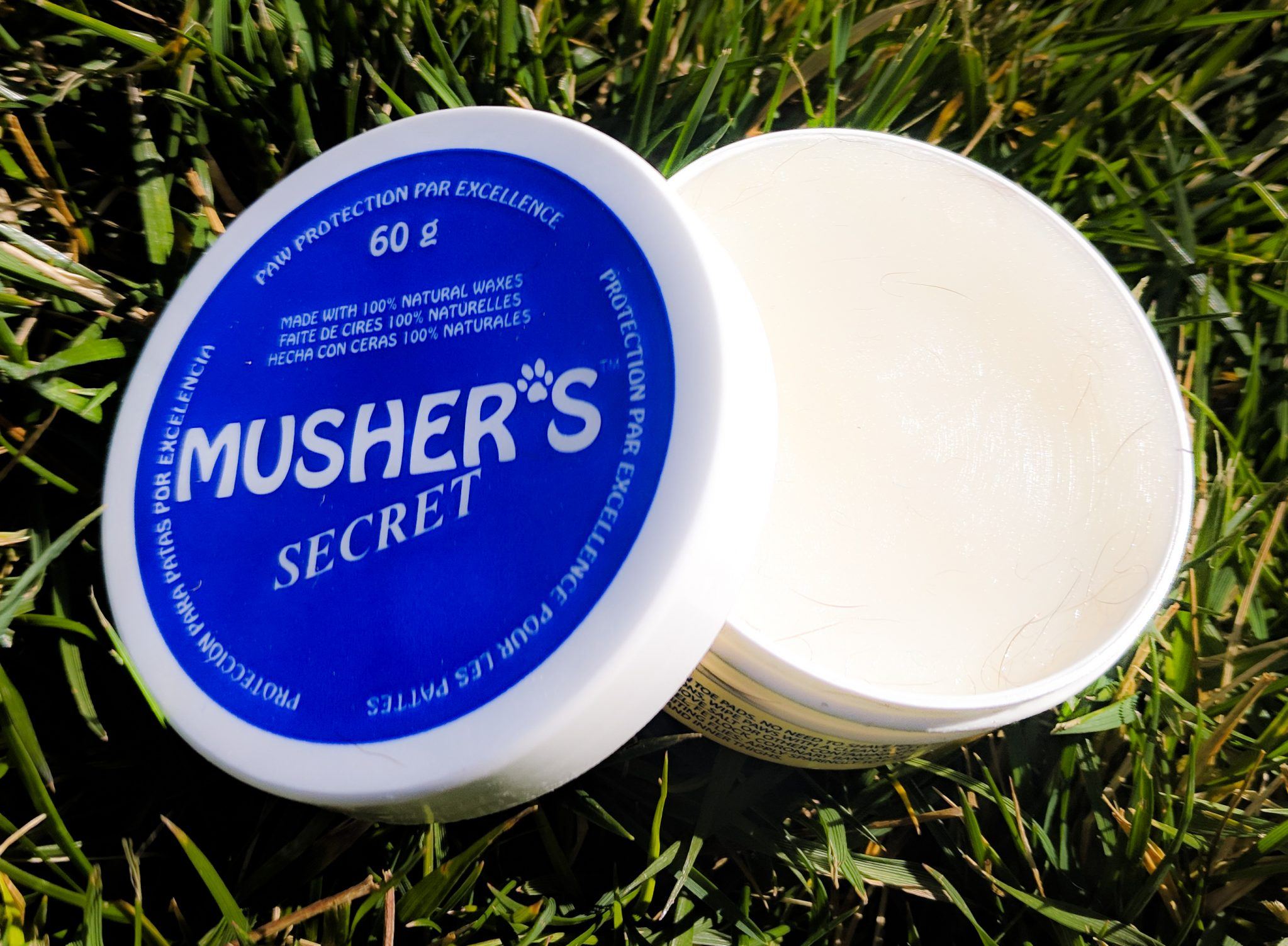
Musher's Secret Paw Wax Review: The Backpacker's Guide to Paw Protection
Trail-tested Musher's Secret review for hiking dogs. Learn correct application protocol, terrain performance, and the multi-day backpacking protocol.
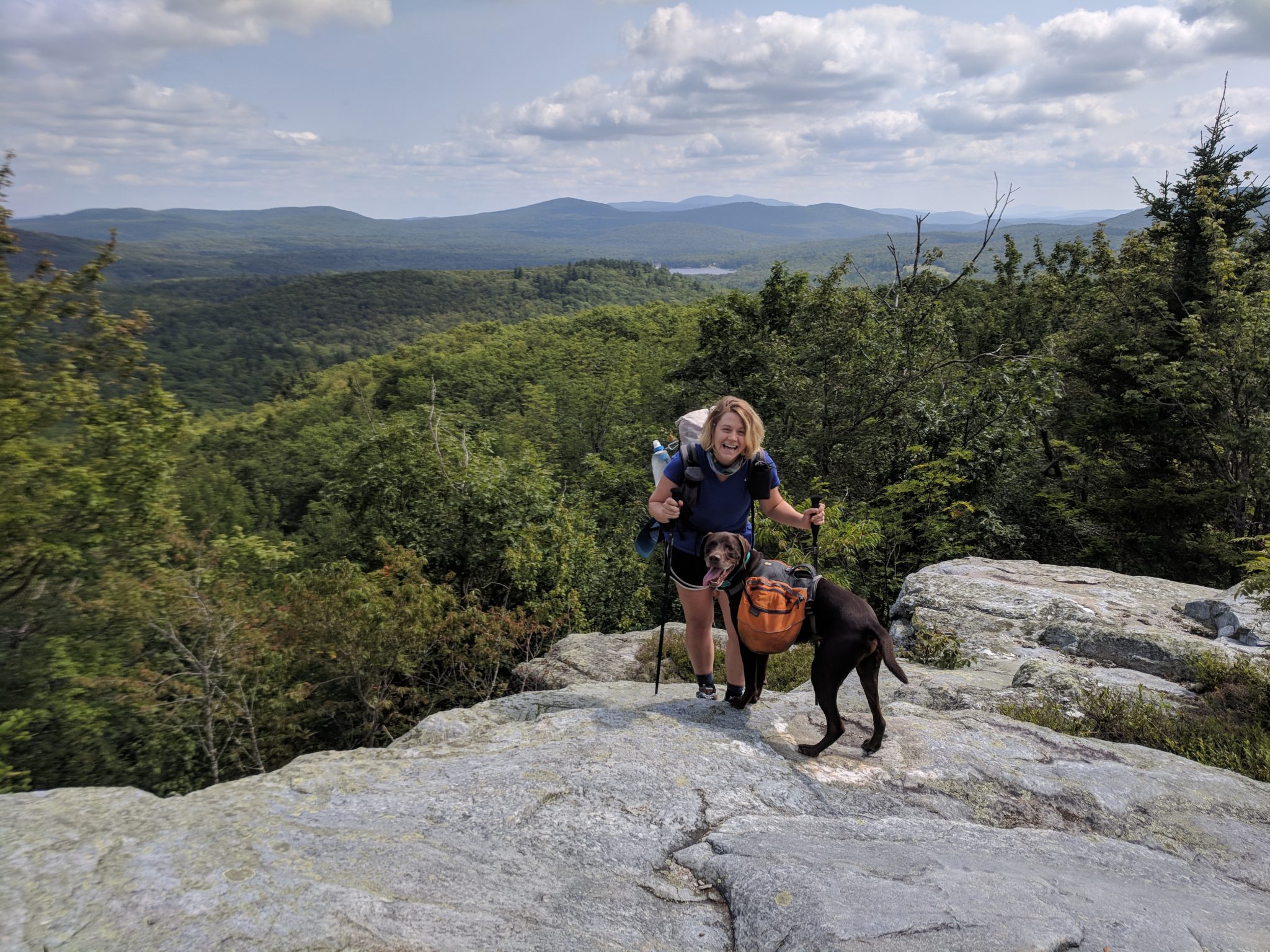
Thru Hike with a Dog: How I Hiked 900 Miles on the AT with My Dog
Everything I learned hiking 900 miles on the Appalachian Trail with my dog Toby — costs, planning, gear, and honest advice for anyone considering it.
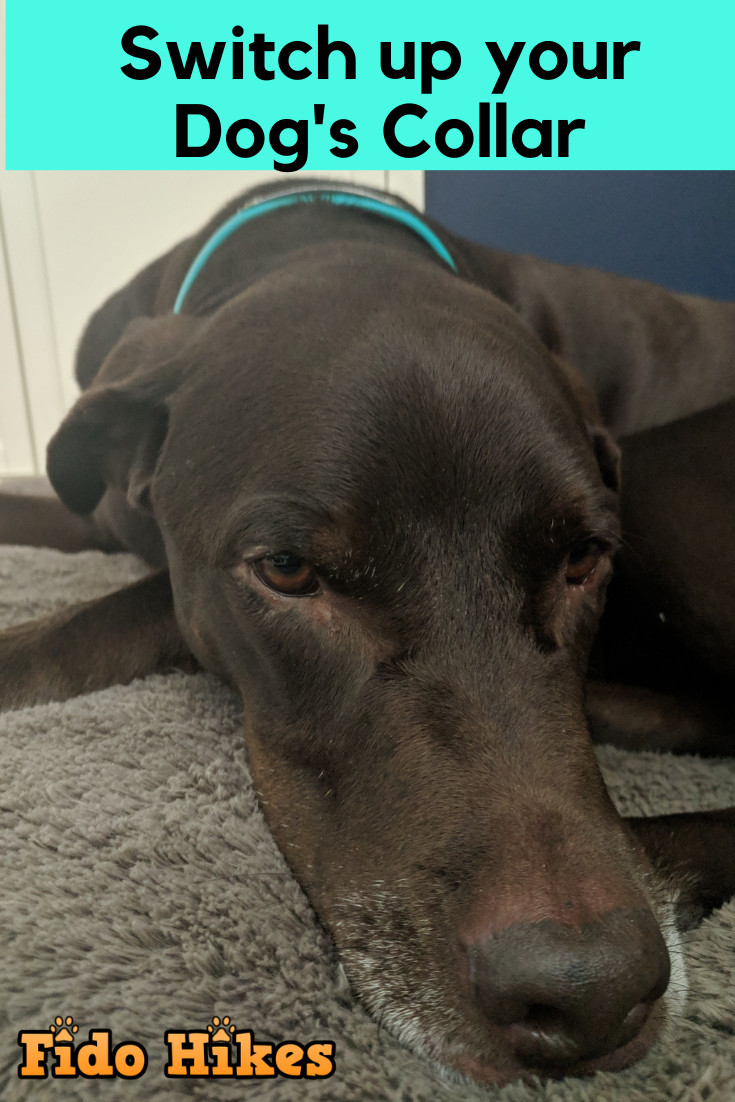
The Best Backpacking Dog Collar Is Waterproof
Why we switched to a waterproof, laser-engraved dog collar for our 900-mile Appalachian Trail thru-hike — and why we'll never go back to cloth.