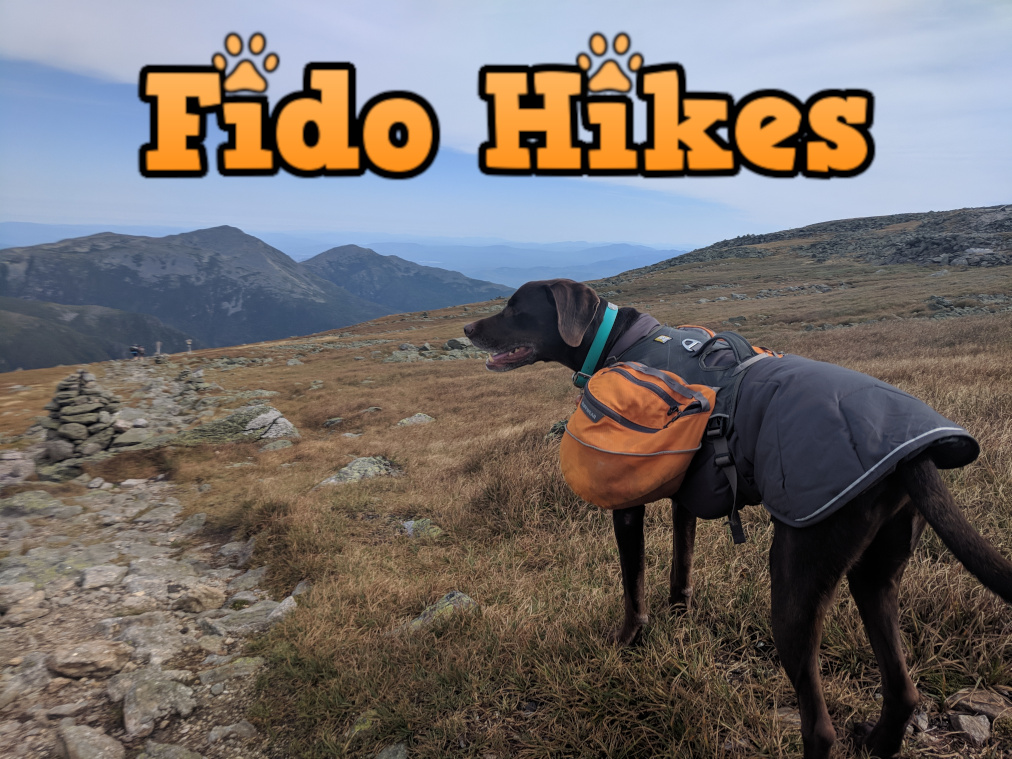
I hiked 900 miles on the Appalachian Trail with Toby, my 75-lb chocolate lab/GSP mix. The best dog harness for hiking depends on your terrain, your dog’s build, and whether you need to physically lift them over obstacles. We tested 7 harnesses across moderate trail, technical scrambles, and river crossings.
| Harness | Price | Weight (M) | Clip Type | Handle | Best For |
|---|---|---|---|---|---|
| Ruffwear Front Range | $59.99 | 5.4 oz | Front + Back | No | Overall |
| Ruffwear Web Master | $79.99 | 7.4 oz | Front + Back | Yes (reinforced) | Scrambles |
| Kurgo Tru-Fit Smart | $39.00 | ~7 oz | Front + Back | No | Value / Car Safety |
| Hurtta Weekend Warrior | $62.95 | N/A | Back only | Yes (detachable) | Cold Weather / Visibility |
| OneTigris Tactical | $36.99 | ~11 oz | Back only | Yes (not weight-rated) | Gear Attachment |
| Chai's Choice Outdoor | ~$28 | N/A | Front + Back | Yes | Budget |
| Embark Adventure | $32.99 | N/A | Front + Back | Yes (gel-lined) | Pullers |
How to Choose a Hiking Harness
Buying a harness without understanding clip type is how dogs end up choking on switchbacks. Three variables matter: clip placement, grab handle strength, and fit for your dog’s chest shape.
Front Clip vs Back Clip
A front clip redirects forward momentum sideways. When your dog surges uphill, the leash turns their body instead of letting them pull harder. No choking, no trachea pressure. A back clip gives full freedom of movement for dogs that don’t pull. On trail, back clip is standard. Front clip earns its place on leash-required sections.
| Clip Type | Best For | Tradeoff |
|---|---|---|
| Front | Pullers, leash-required sections | Restricts natural movement |
| Back | Trail-trained dogs, off-leash capable | No pull correction |
| Dual (front + back) | Versatility, switching mid-hike | Slightly more hardware |
The Grab Handle
On a flat path, a grab handle is a nice-to-have. On a scramble, it’s the difference between helping your dog up a ledge and watching them slide backward. Not all handles are equal. The Web Master’s handle is rated for full body weight. The OneTigris handle is explicitly not rated for lifting. If you hike technical terrain, the handle rating matters more than the handle’s existence.
Fit by Dog Type
Deep-chested dogs (labs, goldens, retrievers) are most prone to armpit chafing on 3-strap designs. The belly strap rubs the axilla during repetitive motion, especially when wet. Narrow-chested dogs (huskies, pointers) can swim inside a wide harness. Barrel-chested breeds need maximum girth adjustment.
Sizing notes: Web Master runs wide, Chai’s Choice runs large (size down), Embark runs true. Measure girth at the widest part of the ribcage and add one inch.
1. Ruffwear Front Range | Best Overall
The Front Range is the harness 80% of hiking dogs should be wearing. At $59.95 and 5.4 oz in a medium, it’s light enough to forget it’s there. Dual clip design lets you switch from pull-redirect (front) to freedom (back) mid-hike without swapping gear. Four adjustment points, padded chest and belly panels, reflective trim, and a small ID pocket round out the feature set. It goes over the head to put on, which some dogs tolerate better than step-in designs.
On moderate trail, groomed paths, and day hikes under 10 miles, the Front Range is close to perfect. The padding prevents hot spots over long miles. Dual clip means you can start a crowded trailhead on front clip and switch to back clip once you hit open trail.
Where it falls short: no grab handle, and the 2-strap design rotates under lift force. If you try to boost your dog over a downed tree or up a rock step, the harness shifts sideways. For any trail where you might need to physically assist your dog, step up to the Web Master.
Pros:
- Dual clip (front + back) for versatile leash control
- 5.4 oz is among the lightest tested
- Four adjustment points dial in a custom fit
- Padded panels prevent hot spots over long miles
Cons:
- No grab handle for scrambles or obstacle assistance
- 2-strap design rotates when lifting, not stable for physical assist
- Goes over the head, which some dogs resist
Best for: day hikers and weekend backpackers with trail-trained dogs. Skip if: your trail involves scrambles or your dog needs physical assist on obstacles.
2. Ruffwear Web Master | Best for Scrambles and Technical Terrain
The Web Master is what you graduate to after your dog’s first scramble in a Front Range. At $79.95 and 7.4 oz in a medium, it costs and weighs more. That extra cost buys the 5-strap belly-band system, which distributes lift force across chest, belly, and back. When you grab the reinforced handle and lift, your dog stays level. The handle is rated for full body weight. Avalanche rescue teams use this harness for exactly this reason.
On the AT’s Mahoosuc Notch, a mile-long boulder scramble in western Maine, Toby needed a boost on three separate boulders. Each time, I grabbed the handle and lifted 75 lbs of dog straight up without the harness shifting. The 2025 update added step-in on/off, so no more wrestling it over your dog’s head at a windy trailhead.
The Ruffwear Palisades Pack uses the Web Master as its structural frame. If your dog carries their own food and water on multi-day trips, this is the starting point. Third-party saddlebags need about 1 inch of clearance from the back ring.
The honest tradeoff: more straps mean more friction. Deep-chested, narrow-necked dogs get armpit chafing after 10+ wet miles. The belly strap rubs the axilla when soaked. Rinse and dry after every water crossing. On dry trail, we logged 500+ miles with zero chafing.
Pros:
- Reinforced handle rated for full body weight lifting
- 5-strap belly-band keeps dog level during lifts
- Step-in design (2025 update) for easy on/off
- Direct compatibility with Ruffwear packs
- Dual clip (front + back)
Cons:
- $79.95 is the most expensive option tested
- Armpit chafing on deep-chested dogs after 10+ wet miles
- Heavier and bulkier than the Front Range
- Overkill for moderate, well-groomed trails
Best for: scramblers, river crossers, backpackers whose dogs carry gear. Skip if: your trails are moderate and you want minimal hardware.
3. Kurgo Tru-Fit Smart | Best Value
The Kurgo Tru-Fit Smart is the only harness here crash-tested for car safety. At roughly $40 and 7 oz in a medium, it pulls double duty as a trail harness and a vehicle restraint. Steel nesting buckles feel more substantial than the hardware on similarly priced options. Five adjustment points let you dial in fit across the chest, belly, and back. Dual clip (front + back), no grab handle.
The car-safety angle is underrated. Most of us drive to trailheads. With the Kurgo, you clip the included seatbelt tether to the harness, secure your dog for the drive, then unclip and hit the trail. No swapping gear in a parking lot. The steel buckles inspire more confidence than nylon over time, and the padding is adequate for day hikes on moderate terrain.
One reliability flag worth noting. A Trailspace user documented top snap detachment during active hiking. The snap connecting the back panel separated under normal trail use. We haven’t replicated the failure ourselves, but it’s documented in a detailed user review. Check the snap connection before each hike, especially after repeated car use where the buckle takes stress.
Pros:
- Crash-tested for car safety, doubles as vehicle restraint
- Steel nesting buckles feel more durable than nylon
- ~$40 price point undercuts most competitors
- Five adjustment points for precise fit
- Dual clip (front + back) for versatile leash control
Cons:
- No grab handle for obstacle assistance
- Documented snap detachment concern (check before each hike)
- Padding is adequate but not premium
- Steel hardware adds weight vs the Front Range
Best for: hikers who drive to trailheads and want trail-plus-car functionality. Skip if: you need a grab handle for technical terrain.
4. Hurtta Weekend Warrior | Best for Cold Weather and Low-Light Hiking
A Finnish company designing gear for Arctic conditions makes the brightest harness we’ve tested. The Hurtta Weekend Warrior runs about $60 and brings a design philosophy shaped by Scandinavian winters, not Southern California day hikes. The high collar covers the neck and upper chest more than any other harness in this roundup. 3M reflective strips run across the chest panel and along the back, rated at 400-450 cd/m².
We tested reflectivity side-by-side with a headlamp at 50 feet. The Hurtta’s 3M strips were visibly brighter than the reflective trim on both Ruffwear models. For winter hikes, early-morning starts, and evening trail runs, that visibility difference is a genuine safety feature. A back handle with a detachable reflector provides a quick-grip point for guiding your dog through tight spots.
The flip side of that high collar: in summer, it traps heat. Dogs regulate temperature through panting and radiation, and a padded collar covering the neck works against both. No front clip means it’s not ideal for pullers. The chest plate can gap on some builds when wet, so check fit after water crossings.
Pros:
- Brightest reflective strips tested (3M, 400-450 cd/m²)
- High collar provides warmth for cold-weather hiking
- Finnish design built for harsh conditions
- Back handle with detachable reflector for quick grips
- 90% recycled polyester construction
Cons:
- High collar traps heat in warm weather
- No front clip for pull correction
- Chest plate gaps on some builds when wet
- Handle is guidance-only, not rated for full-weight lifting
Best for: cold-weather hikers, dawn/dusk trail runners, thin-coated dogs. Skip if: you hike mostly in warm weather or need a lift-rated handle for scrambles.
5. OneTigris Tactical | Best for Gear Attachment
The OneTigris looks like it should be the toughest harness here. The brand will tell you otherwise. At roughly $40 and 11 oz in a medium, it’s the heaviest option tested. The weight comes from MOLLE webbing panels on both sides, built to accept modular pouches, LED beacons, ID patches, and gear attachments. Back clip only. Handle present.
The MOLLE system is genuinely useful for hikers who want modularity without a full dog pack. Attach a small first-aid pouch on one side, an LED beacon on the other, strip it all off for a casual walk. The attachment points are standard military spec, so any MOLLE-compatible pouch fits. For search-and-rescue volunteers and hikers who want their dog carrying small essentials, it fills a real niche.
The handle warning needs to be prominent. OneTigris explicitly states the handle is not rated for supporting full body weight. It works for steering your dog around an obstacle and getting a quick grip on trail. It does not work for hauling your dog up a ledge or lifting them over a boulder.
Pros:
- MOLLE webbing for modular gear attachment
- Standard military-spec attachment points
- ~$40 price point with tactical functionality
- Handle present for guidance and steering
Cons:
- Heaviest harness tested at ~11 oz
- Handle explicitly not rated for full body weight
- Back clip only, no front clip option
- Bulk and weight are noticeable on smaller dogs
Best for: hikers who want modular gear attachment without a full pack. Skip if: you need a reliable lift handle or want lightweight minimalism.
6. Chai’s Choice Outdoor Adventure | Best Budget
The Chai’s Choice does 80% of what the Front Range does for half the price. At roughly $28, it’s the most affordable harness here with dual clip and a grab handle included. Mesh padded panels breathe well in warm weather. 3M reflective stitching adds low-light visibility.
Size down from your usual. Chai’s Choice runs large. A dog that wears a Ruffwear Medium will likely need a Chai’s Choice Small. Measure your dog’s girth and check the brand’s size chart before ordering. Once sized correctly, it’s comfortable for easy-to-moderate hikes under 8 miles.
Duraflex side-release buckles are the durability ceiling here. They’re a solid mid-tier buckle, but for sustained multi-day use, repeated wet/dry cycles, or dogs that pull hard, they fatigue faster than the steel hardware on the Kurgo or the ITW Nexus buckles on the Ruffwear lineup. The handle works for guidance and quick grabs but is not reinforced for full-weight lifting. A low-risk starting point if you’re testing whether your dog tolerates wearing a harness before investing in a premium option.
Pros:
- ~$28 is the lowest price tested
- Dual clip (front + back) and grab handle at this price point
- Mesh padding breathes well in warm weather
- 3M reflective stitching for low-light visibility
Cons:
- Duraflex buckles less durable than steel hardware on Kurgo or Ruffwear
- Runs large, need to size down
- Handle not reinforced for full-weight lifting
- Not built for technical terrain or heavy mileage
Best for: budget-conscious hikers on easy-to-moderate trails. Skip if: you need durability for serious mileage or technical terrain.
7. Embark Adventure | Best for Pullers
If your dog turns every uphill into a sled pull, this is where you start. The Embark Adventure runs about $30 with dual clip (front + back) and a gel-lined handle. The wide chest pad is the key differentiator for heavy pullers. When your dog surges forward on the front clip, the leash turns their body sideways, interrupting the pull without any pressure on the trachea.
For leash-required sections, crowded trailheads, and dogs still learning trail manners, the Embark gives you mechanical advantage. The wide pad prevents the pressure sores that narrow front-clip straps cause on long hikes. Runs true to size. The gel-lined handle is functional for steering and quick grabs, though not rated for full-weight lifting.
One known issue: chest straps loosen during active running or off-leash play. The straps slide from buckles and sliders, requiring re-adjustment after your dog has been sprinting. Check fit after any off-leash scramble before clipping back in. Once your dog stops pulling consistently on trail, the Front Range’s dual clip, lighter weight, and more stable strap system makes a natural upgrade.
Pros:
- Front clip redirects pulling without choking
- Wide chest pad prevents pressure sores
- Dual clip (front + back) for versatility beyond training
- ~$30 is affordable, runs true to size
Cons:
- Chest straps loosen during active running, require re-adjustment
- Handle not rated for full-weight lifting
- Chest pad absorbs water, slower to dry than woven nylon
- Better as a training tool than a long-distance trail harness
Best for: dogs that pull on leash sections and hikers who want pull correction without sacrificing back-clip versatility. Skip if: your dog is already trail-trained and you want a lighter, more stable option.
Frequently Asked Questions
- What type of harness is best for hiking with a dog?
- A Y-shaped harness with a padded chest panel, four or more adjustment points, dual leash clips, and a reinforced grab handle covers the most trail situations. The Y-shape prevents shoulder restriction and keeps the harness stable on varied terrain. For technical hiking with scrambling, a three-strap design with a belly band (like the Ruffwear Web Master) provides significantly better stability than a standard two-strap harness.
- Should I use a harness or collar for hiking?
- Always a harness for hiking. Collars put direct pressure on the trachea and cervical spine during pulls, which happen often on trail when dogs react to wildlife, other hikers, or sudden terrain changes. A harness distributes force across the chest and shoulders instead. On a long day with repeated leash corrections, collar pressure accumulates in ways you don't see until there's a problem. Use a collar for ID tags; use a harness for leash attachment.
- Does my dog need a handle on their hiking harness?
- It depends on your terrain. For standard trail miles without scrambling, a handle is a nice-to-have. For any trail involving boulders, ledge traverses, log bridges, or water crossings with current, a handle is essential. The handle needs to be reinforced enough to bear your dog's weight. A decorative loop is not the same thing. See the comparison table above for which harnesses have functional handles.
- What size hiking harness does my dog need?
- Measure your dog's girth at the widest point of the chest, just behind the front legs. For Ruffwear sizing: 13-17 in is XS, 17-22 in is S, 22-27 in is M, 27-32 in is L, 32-36 in is XL. Most 60-80 lb labs run medium to large depending on build. You should be able to fit two fingers vertically between the harness and your dog's chest. Barrel-chested dogs may need to size up at the front adjustment point.
- Can my dog wear a harness all day on a long hike?
- Yes, with the right harness and fit. The risk with extended wear is chafing at contact points: armpits, chest panel edges, and where straps cross the shoulders. Quick-dry materials reduce the chafing risk from wet-then-dry cycles on creek-crossing trails. Check contact points during rest breaks on long days. Redness or hair loss at any point means the fit needs adjustment. Remove the harness at camp to let your dog's skin breathe overnight.
- Is the Ruffwear Front Range or Web Master better for hiking?
- For most trail hiking, the Front Range. It's lighter (5.4 oz vs 7.4 oz), more comfortable for long days on standard terrain, and easier on/off. For technical terrain with scrambling, steep ledges, or any situation where you need to lift or guide your dog, the Web Master. The belly band and reinforced handle are what make the difference. Many hikers who mix terrain types own both and switch based on the day's route.
Trail-Tested with Toby
Everything on FidoHikes comes from real experience — 900 miles on the Appalachian Trail with our dog Toby. No sponsored posts, no armchair advice. Just what actually worked (and what didn't) on the trail.
Read our story →Related Articles
How to Stop Your Dog from Pulling on the Leash (Trail-Tested Method)
Tired of being dragged on every hike? This trail-tested method teaches loose leash walking step by step, from the 3-second timing window to full trail proofing.
The Best Backpacking Dog Collar Is Waterproof
Why we switched to a waterproof, laser-engraved dog collar for our 900-mile Appalachian Trail thru-hike — and why we'll never go back to cloth.