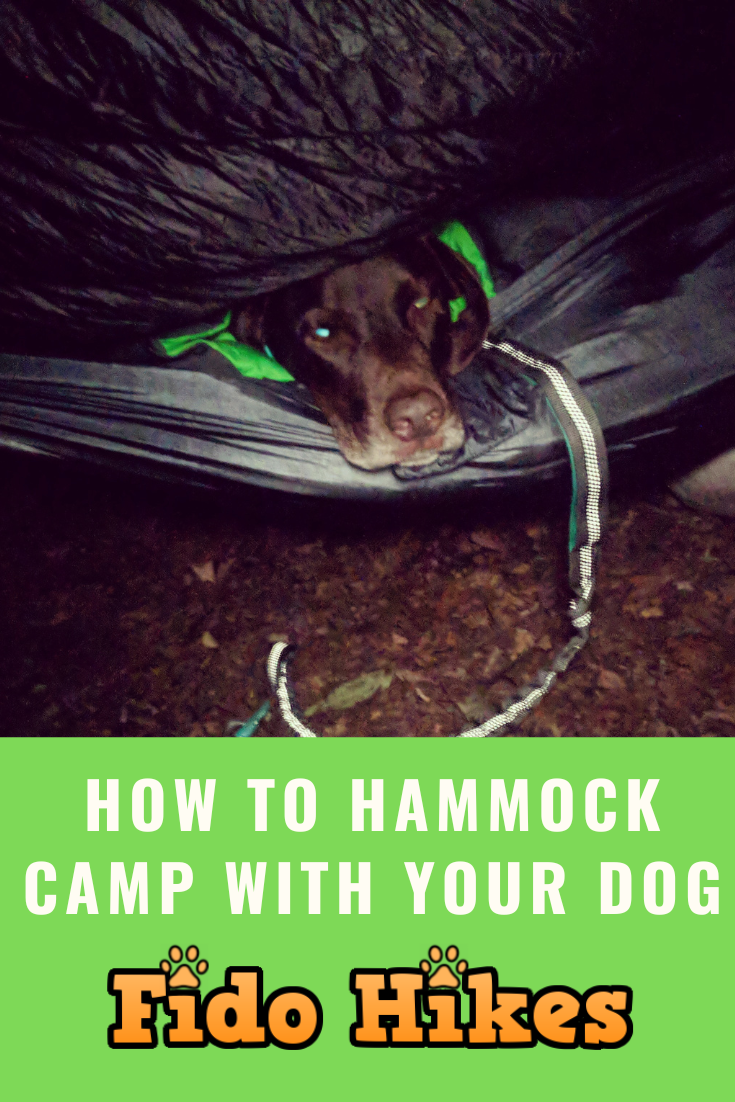
Somewhere in Virginia, around mile 700, I lay in my hammock listening to rain hammer the tarp while Toby snored on a closed-cell foam pad directly beneath me. Seventy-five pounds of chocolate lab/GSP mix, dry under the tarp, packs stowed in a gear hammock above him, both of us sleeping better than we had in any shelter on the Appalachian Trail. That setup carried us through 900 miles together.
Most hammock camping with dog guides give you five generic tips and move on. This one gives you the weight math, four sleep arrangement options ranked by dog size, a four-week training protocol, cold weather systems down to 20F, and the specific gear that worked across hundreds of trail nights. Whether your dog is a 20-pound terrier who can share your hammock or a 75-pound lab mix who sleeps on the ground below, every setup is covered. Earned knowledge from thru-hiking, not theory from a backyard.
Step 1: Hammock Weight Capacity Math for Human and Dog
Most hammock ratings assume a single human lying diagonally. Add a dog and you need to do actual math. The formula: your weight plus your dog’s weight must not exceed the hammock’s rated capacity minus a 20% safety margin. That margin accounts for dynamic loading when your dog shifts, circles, jumps in, or startles awake and scrambles to exit. Static weight ratings don’t reflect what happens when a dog hears a noise and lurches sideways.
A 175-pound person with a 45-pound dog equals 220 pounds combined. Multiply 220 by 1.2 and you need a hammock rated for at least 264 pounds. Standard single hammocks rate between 250 and 300 pounds. Doubles rate 350 to 400 pounds. If your dog weighs over 30 pounds and you want to share, you need a double.
The size thresholds that actually matter:
- Under 35-40 lbs: Co-sleeping in a double hammock is viable. Most medium dogs fit comfortably in the hammock curve against your legs or torso.
- 40-60 lbs: Near the upper limit for sharing. A 53-pound Pit Bull has been documented as workable but tight. You’ll feel every repositioning.
- 60+ lbs: Ground sleeping is the only safe option. The hammock sag with a large dog creates pressure points for both of you, and exit becomes dangerous.
If your dog is 60+ pounds like Toby was, skip straight to the ground pad arrangement in Step 2. A Ruffwear Web Master harness with its reinforced lift handle matters for any arrangement. That handle is how you safely assist entry and exit, whether into a gear hammock or up from a ground pad on steep terrain.
Step 2: Dog Sleep Arrangements for Hammock Camping (4 Options)
There are exactly four ways this works. Your dog’s weight and temperament determine which one. Pick based on what your dog will actually tolerate, not what looks coolest online.
Option 1: Share Your Hammock (Dogs Under 40 lbs)
A double hammock with a blanket liner inside to protect the fabric. Your dog settles into the natural curve against your legs or torso. Works best for calm dogs who already sleep in your bed at home. The blanket liner absorbs claw contact, adds warmth, and is replaceable when it gets shredded. Your hammock is not.
Option 2: Dog’s Own Gear Hammock Hung Low (25-50 lbs)
Hang a lightweight gear hammock 6 to 12 inches off the ground between the same trees you’re using. The dog gets an elevated, contained sleeping space. When the dog sleeps on the ground instead, the gear hammock holds your packs and keeps them dry.
The VersaTrek gear hammock weighs 8 ounces, holds 400 pounds, and measures 5 by 3 feet. This requires real training. Your dog needs to choose this on their own, not be placed in it. Dogs reject hammocks when they can’t see how to get out. Never zip or close the dog in.
Option 3: Ground Pad Under Your Tarp (Any Size, Any Temperament)
This is the guaranteed fallback that always works. A closed-cell foam pad placed on the ground directly under your rain tarp footprint. Dog sleeps on the pad, you sleep above in the hammock, tarp covers everything.
If you’re unsure which option fits your dog, start here. You can always train toward Option 1 or 2 later if size permits.
Option 4: DutchWare Pup Tent (Enclosed Under-Hammock Shelter)
This attaches directly to your hammock suspension and creates an enclosed triangular space beneath you. Good for dogs that need a contained, den-like sleeping space. The most expensive option with meaningful weight, but for anxious dogs who settle better in enclosed spaces, it solves a real problem.
Comparison
| Arrangement | Dog Size | Pros | Cons | Key Gear |
|---|---|---|---|---|
| Share hammock | Under 40 lbs | Warmest, simplest gear list | Restless dogs ruin sleep for both | Double hammock, blanket liner |
| Gear hammock | 25-50 lbs | Elevated, doubles as gear storage | Requires training | VersaTrek or similar, extra straps |
| Ground pad under tarp | Any size | Always works, no training needed | Dog is on the ground | CCF pad, rectangular tarp |
| DutchWare Pup Tent | Any size | Enclosed den, attaches to suspension | Heaviest, most expensive | Pup Tent system |
Start with Option 3 as your baseline plan. Train toward Option 1 or 2 if your dog’s size and temperament allow. Having a guaranteed fallback means one bad night doesn’t end your trip.
Step 3: Hammock Camping Dog Training Protocol (4-Week Timeline)
Train at home. Never introduce a hammock for the first time in the backcountry. A stressed dog in an unfamiliar sleep system, in an unfamiliar place, at night, is a recipe for zero sleep and a miserable trip.
Week 1: Ground Familiarization
Days 1 through 3, lay your hammock flat on the ground. Let your dog investigate freely. Place treats on the fabric. No pressure, no luring. Days 4 and 5, lure the dog onto the flat hammock with treats. Reward any voluntary contact, even a single paw. Days 6 and 7, hang the hammock 1 to 2 inches off the ground. Reward calm behavior near or on it.
Week 2: Elevation and Movement
Raise to 4 to 6 inches. Introduce gentle swaying by pushing the hammock slightly while the dog is on it. You get in first, then invite the dog. Never lift or place the dog in the hammock. They need to choose entry voluntarily so they trust they can choose exit. Start with 5-minute sessions and build to 15.
Week 3: Duration Building
For co-sleeping dogs, lie in the hammock and invite the dog up. For ground-pad dogs, practice the full setup: hammock above, dog on pad below, tarp overhead. Build to 30-minute sessions. Practice the exit and re-entry routine, because that’s where fabric damage happens. Add the blanket liner if co-sleeping. Play outdoor sounds (rain, wind, animal noises) during sessions so your dog associates the setup with normal background noise.
Week 4: Full Overnight at Home
Backyard overnight with the exact trail configuration. Tether system in place. Full tarp pitch. This is your dress rehearsal. If something fails here, you fix it before you’re 8 miles from the trailhead.
Stop signals (non-negotiable). If you see any of these, drop back one week or switch to the ground pad arrangement:
- Whale eye (whites of eyes showing)
- Tucked tail
- Repeated exit attempts
- Panting while at rest
These mean your dog is stressed, not stubborn. There’s a difference.
Nail prep: Dremel or file your dog’s nails 3 to 5 days before any hammock contact. Not the day before. Freshly cut nails have sharper edges than nails that have had a few days to smooth.
Step 4: Hammock Hang Height, Tethering, and Tarp Setup for Dogs
Hang your hammock so the center sits about 18 inches off the ground. The test: sit in it and your feet should touch the ground comfortably. This matters doubly with dogs. Too high and they can’t get in or out independently. A dog that needs to be lifted in every time won’t choose the hammock voluntarily, and a dog that can’t exit when they need to will panic.
Tethering: Three Options by Dog Size
1. Wrist tether. A 6 to 8 foot leash clipped to your wrist. Small, calm dogs only. If your dog weighs more than 30 pounds and lunges at a midnight noise, this will yank you sideways in the hammock.
2. Ridgeline prusik tether. Attach a prusik knot to your ridgeline and run a leash down from it. The prusik is adjustable when you pull it but locks under tension. Good middle option for medium dogs.
3. Amsteel dog run. A tree-to-tree line strung below the hammock. Your dog clips to it with a sliding carabiner, giving them freedom to shift positions, circle, and settle without pulling on anything connected to your hammock.
Tarp Positioning
Extend your tarp coverage to include the full ground zone where your dog sleeps. A rectangular tarp in A-frame pitch gives the most ground coverage. If your dog’s pad sticks out past the tarp drip line, your dog gets wet at 2am and migrates to the one dry spot, which is on top of your gear.
Site Selection
Flat ground under the hammock matters more than it does for solo hammock camping. That flat ground is your dog’s bedroom. Clear rocks, sticks, and pinecones. Check for ant mounds. A thru-hike with a dog adds site selection criteria that solo hikers never think about.
Step 5: Dog Temperature Management for Hammock Camping
Dogs lose body heat faster sleeping off the ground than in a tent, and hammock camping means your dog doesn’t benefit from your radiated heat unless you’re sharing. Cold weather hammock camping with a dog requires deliberate insulation at every temperature tier.
Temperature Tiers
| Temperature | Insulation Needed |
|---|---|
| Above 60F | Nothing required. Most dogs thermoregulate fine. |
| 45-60F | CCF ground pad. Fleece layer for short-coated breeds (Vizslas, Pit Bulls, Boxers, Weimaraners). |
| 30-45F | Insulated jacket for ALL dogs regardless of coat. CCF pad mandatory. This is where the Ruffwear Quinzee earns its weight. |
| Below 30F | Insulated jacket plus dog bivy or dog quilt. Double-coated breeds (Huskies, Malamutes) still need ground insulation. |
| Below 20F | Reassess whether this trip is appropriate for your dog. Only cold-climate breeds with full insulation systems. |
Use a CCF pad, not an inflatable. Claws plus an inflatable pad equals a flat pad at 2am. Closed-cell foam is puncture-proof, weighs almost nothing, and provides consistent R-value (typically R-2 to R-3) all night. Cut it to your dog’s curled sleeping size to save weight.
The Ruffwear Quinzee runs $62.99, weighs approximately 7.36 ounces, uses recycled polyester insulation, and has a leash portal that lets your tether run through the jacket instead of around it. That portal matters. A tether looped over an insulated jacket compresses the insulation at the pressure point and creates a cold spot on your dog’s back.
Recognize cold stress early. Shivering, curling into a tight ball, lifting paws off the ground, or trying to burrow under gear are all signs your dog needs more insulation now, not in the morning. Add a layer immediately or bring your dog into the hammock if size permits.
Co-sleeping thermal advantage. If your dog shares your hammock, they benefit from your body heat and your underquilt. On cold nights below 30F, a small dog inside your hammock stays warmer than a large dog on the ground in a jacket.
Step 6: Troubleshoot Common Hammock Camping Dog Problems
Dog Refuses the Hammock Entirely
Switch to the ground pad arrangement and move on. Some dogs never accept elevated or swaying sleep surfaces. Retrievers and spaniels tend to adapt faster. Herding breeds and anxious dogs resist more consistently. If your dog loved the hammock at home but panics on trail, that’s new-environment stress. Give it two to three trips before deciding.
Nail Tears and Fabric Damage
Dremel nails 3 to 5 days before the trip. Freshly cut nails are sharper than filed ones that have had a few days to round off. Use 1.9 oz ripstop minimum. Supplex nylon is the most claw-resistant hammock fabric available. A blanket liner inside the hammock absorbs the majority of contact damage. Carry tenacious tape for field repairs, because a small tear becomes a big tear after one night of dog movement.
Dog Won’t Settle at Night
This is usually a tethering problem. Too short creates frustration. Too long creates tangling. Find the length where your dog can circle, lie down, and shift positions but not reach your gear or wander into the darkness. Exercise the dog hard before making camp. The first few nights are always the worst. It gets better as your dog learns the routine.
If nothing works, talk to your vet about Benadryl (1 mg per pound is the standard vet-approved dose). Not a long-term fix, but it can bridge the gap while your dog acclimates.
Step 7: Pre-Trip Hammock Camping Gear Checklist for Dogs
Run through this before every trip. Organized by sleep arrangement so you only pack what you need.
All Arrangements
- Tether system (wrist, prusik, or amsteel based on dog size)
- CCF ground pad for dog (cut to curled sleeping size)
- Rectangular tarp with full ground coverage
- Dog first aid kit
- Nail file or Dremel (use 3-5 days pre-trip)
- Tenacious tape for fabric repairs
- Ruffwear Web Master harness (lift handle for entry/exit assist)
- Collapsible water bowl
- Extra waste bags
Co-Sleeping Additions
- Double hammock (verify rated for combined weight plus 20%)
- Blanket liner (protects hammock fabric from claws)
Gear Hammock Additions
- VersaTrek or similar lightweight gear hammock
- Extra suspension straps
Cold Weather Additions (Below 45F)
- Ruffwear Quinzee or insulated jacket
- Dog bivy or quilt (below 30F)
- Extra CCF pad square (doubles as seat at camp)
Weight check before you go. Weigh yourself holding your dog on a bathroom scale. Subtract your weight. Confirm the combined total plus 20% falls under your hammock’s rated capacity. Do this every trip, because dogs gain and lose weight seasonally.
For a complete breakdown of everything your dog needs on multi-day trips, see our dog gear list for long-distance and thru-hiking.
Frequently Asked Questions
- Can a large dog sleep in a hammock with me?
- Dogs under 40 pounds can share a double hammock if they're calm sleepers. Between 40 and 60 pounds is the upper limit, requiring careful weight math (combined weight plus 20% margin). Over 60 pounds, use a ground pad under the hammock. Safer for both of you.
- How do I keep my dog warm while hammock camping?
- Above 60F needs nothing. Between 45 and 60F, add a CCF pad and fleece for short-coated breeds. Between 30 and 45F, every dog needs an insulated jacket plus CCF pad. Below 30F, add a dog bivy or quilt. Always use CCF foam, never inflatables.
- How long does it take to train a dog to sleep in a hammock?
- Four weeks of daily sessions at home. Retrievers and spaniels often adapt in week one. Herding breeds and anxious dogs may need the full month. Some dogs never accept it. The ground pad arrangement works for every dog regardless.
- What if my dog refuses to get in the hammock?
- Ground pad under your tarp. Never force it. A dog pushed past their comfort threshold won't trust the setup next trip either. Switch to Option 3 and enjoy your hike. Hammock camping with a dog doesn't require the dog to be in a hammock.
- How do I tether my dog while hammock camping?
- Three options by dog size. Wrist tether for small calm dogs under 30 pounds. Ridgeline prusik tether for medium dogs. Amsteel dog run strung tree-to-tree for large dogs, keeping all pulling force off your hammock.
- Will my dog's nails damage my hammock?
- Yes, without preparation. File nails 3 to 5 days before the trip so edges smooth. Use 1.9 oz ripstop or Supplex nylon. Place a blanket liner inside if co-sleeping. Practice the entry and exit routine at home until it's smooth.
Trail-Tested with Toby
Everything on FidoHikes comes from real experience — 900 miles on the Appalachian Trail with our dog Toby. No sponsored posts, no armchair advice. Just what actually worked (and what didn't) on the trail.
Read our story →Related Articles

Dog Gear List for Thru-Hiking: $880 AT-Tested Kit
The complete dog gear list for thru-hiking: 16 items, $880 total, 900 AT miles tested. Pack weight math, calorie formula, bear canister rules, and paw protocol.
Thru Hike with a Dog: How I Hiked 900 Miles on the AT with My Dog
Everything I learned hiking 900 miles on the Appalachian Trail with my dog Toby — costs, planning, gear, and honest advice for anyone considering it.