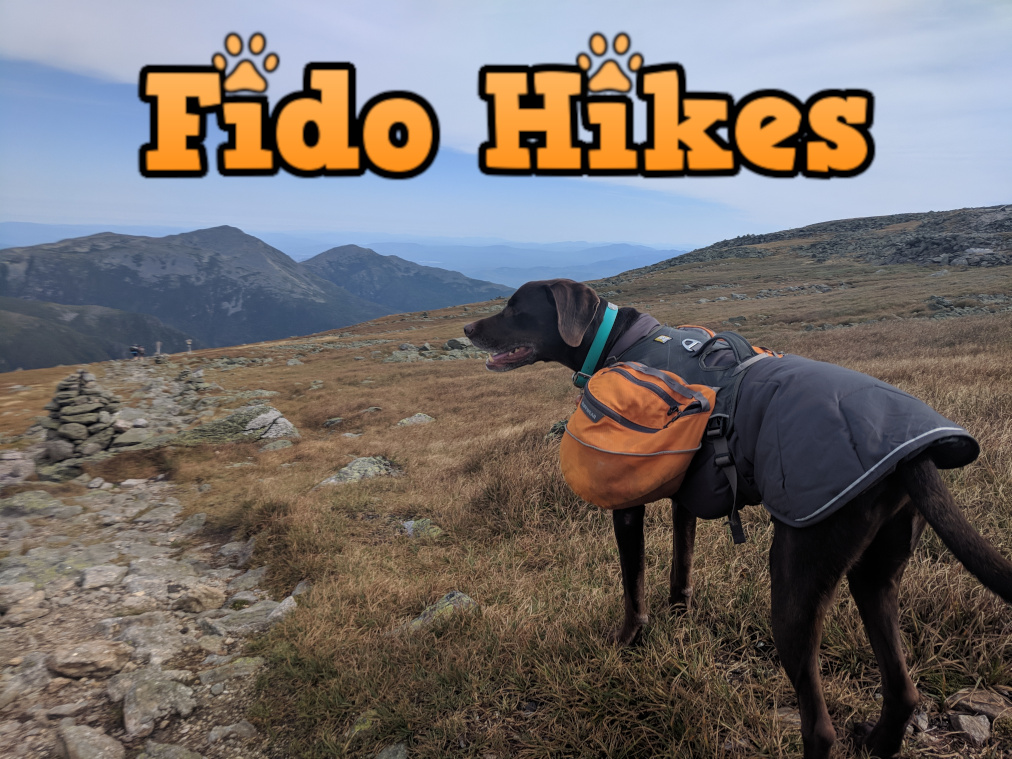
Dogs don’t limp until the damage is done. They’ll keep hiking on shredded pads, cracked skin, and raw tissue before you notice anything wrong. After 500+ trail miles with our dog Toby, Musher’s Secret paw wax is the single product we never leave the trailhead without. One SAR team reported finding a dog with completely shredded paws after an unplanned overnight on granite. That dog never signaled distress. Prevention is the only strategy that works. This review covers what the label doesn’t tell you: correct application protocol, terrain-specific performance, when to use boots instead, and honest limitations.
What Musher’s Secret Actually Is
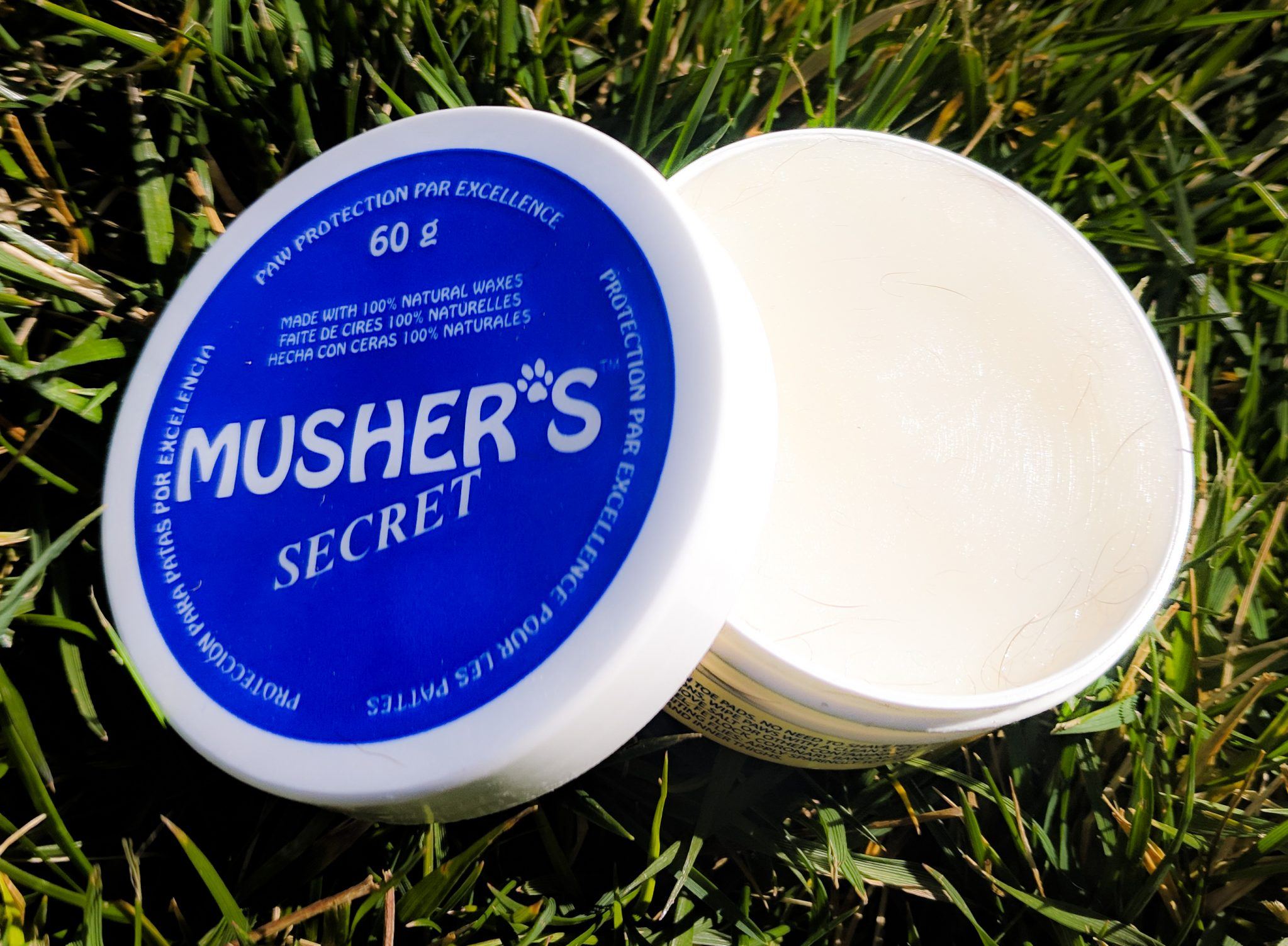
Musher’s Secret isn’t a moisturizer. It’s an engineered barrier. The formula combines four waxes (white beeswax, yellow beeswax, carnauba wax, candelilla wax) with two food-grade oils and vitamin E. Together they form a semi-permeable shield: sweat escapes through the toe gaps, while moisture, abrasives, and irritants stay out.
The product was originally developed for Canadian sled dogs running hundreds of miles across ice and snow. Every ingredient is food-grade and lick-safe. Worst case if your dog eats a significant amount: a mild laxative effect. Nothing toxic.
Sizing and cost are straightforward. The 60g jar runs about $13 and yields roughly 20 applications for a 40-50lb dog. The 200g jar at around $20 is the sweet spot for regular hikers. The 1lb tub at roughly $30 makes sense for multi-dog households or year-round daily use. Shelf life is indefinite.
How to Apply It Right (Ignore the Label)
The label says apply 1-2 times per week. Follow that advice and you’ll think this product doesn’t work. This is the biggest source of negative reviews.
- Warm a small amount between your fingertips until it softens.
- Apply a thin layer across paw pads, between toes, and over nail tips.
- Look for the “wet” appearance. White residue means too much.
- Wait 1-2 minutes before hard floors. The wax needs a moment to absorb.
- Thin and daily beats thick and weekly. Always.
| Scenario | When to Apply | Notes |
|---|---|---|
| Day hike | Once at trailhead | Done for the day |
| Weekend trip | Nightly at camp | Gold standard |
| 10+ mile days | Morning + mid-day | Check at lunch break |
| Pre-trip conditioning | Daily for 2 weeks | Before big trips |
| Winter salt season | Before every walk | Prevents de-icer burns |
Pair application with treats for the first few sessions. Most dogs learn to offer their paws within a week. The whole process takes about 60 seconds for all four paws.
Trail Performance by Terrain
Every trail surface challenges paw pads differently. We’ve tested Musher’s Secret across four terrain types over three years.
Rocky and Granite Trails
Two weeks of pre-trip conditioning makes the difference. Short asphalt walks build natural callus while daily Musher’s Secret strengthens the pad surface. On granite slabs, waxed pads maintain natural traction better than boots because dogs need ground contact for balance. Through a full week on rocky Appalachian terrain, Toby’s pads stayed smooth and uncracked with nightly application.
Desert and Hot Sand
A service dog handler runs Musher’s Secret at 120F ambient in Palm Springs. The sand abrasion barrier holds. But wax is not a heat shield. Use the 7-second hand test: press the back of your hand to the ground. If you can’t hold it for 7 seconds, wax won’t make it safe.
Snow, Ice, and Salt
This is what Musher’s Secret was built for. The wax prevents ice from bonding to pad tissue, stops snowball buildup between toes, and blocks chemical de-icers from causing burns. Veterinarian Dr. Jessica Apted of Sploot Veterinary Care calls it a “long-time veterinary favorite, breathable, protective, great for winter salt and hot pavement.” A small number of users report limited salt protection in heavy urban de-icing conditions, so monitor on heavily salted sidewalks.
Water Crossings
Musher’s Secret absorbs into the pad structure rather than sitting on the surface, making it water resistant. On a 13-mile hike with multiple stream crossings, Toby’s paws came out “as good as new.” Inspect after crossings but don’t automatically reapply unless you see dry or rough patches.
Backpacking Protocol: Multi-Day Paw Care
Day hike paw care is simple. Multi-day trips need a system. Here’s the protocol we’ve refined over dozens of overnight and week-long backpacking trips with Toby.
Pre-trip (2 weeks out). Start daily application to condition pads. Supplement with short asphalt walks to build natural callus. The goal is tough, well-protected pads before you ever hit the trail. Don’t over-apply. Thin layers only.
Daily camp routine. Nightly application is the gold standard. Make it part of your camp ritual, right alongside filtering water and hanging the bear bag. Inspect pads with every application. You’re looking for cracks, abrasions, tenderness, or unusual warmth. For 10+ mile days, add a morning application and a mid-day check at your lunch break.
Water crossing protocol. Inspect after crossings, but don’t automatically reapply. Only add more wax if you see dry patches or feel rough spots on the pad surface.
How much to carry. The 60g jar yields about 20 applications. For a 7-day trip with nightly application, that’s sufficient with room to spare. Our setup: 200g jar at home for conditioning and daily use, 60g jar in the pack for trail carry.
“Carry both. Wax is your daily driver. Boots are your emergency backup for terrain you didn’t expect.” — Gear expert with 7,500 thru-hiking miles
Musher’s Secret vs. Dog Boots
If your dog kicks boots off in the first quarter mile, you’re not alone. Most dogs hate boots. For the majority of hiking terrain, you don’t need them.
When wax wins. Boot-resistant dogs (most dogs). Moderate terrain where ground feel matters. Any situation requiring natural traction and proprioception. Hot pavement within safe temperature ranges. Wax lets dogs feel the ground, adjust their grip, and move naturally.
When boots win. Sharp scree or volcanic rock where puncture risk is real. Sustained cold below 20F. Dogs with already-thin or damaged pads that need full coverage. Post-injury protection where a vet has recommended covering the paw.
Boots carry real downsides: overheating in warm weather, hotspots from mis-sizing, reduced proprioception, and higher cost. PawZ disposable rubber boots run $15-20 for a 12-pack. Muttluks run $60-80 per set. Musher’s Secret covers months of protection for $20.
One Dachshund owner found that even at below-freezing temperatures, her dogs rarely lift their paws in snow when Musher’s Secret is applied. Without it, they show discomfort below 20-25F. For most breeds, wax eliminates the boot fight entirely.
The smart play: Musher’s Secret as your daily driver, PawZ in the first aid kit as emergency backup for unexpected terrain.
Honest Limitations
Musher’s Secret is our go-to paw protection. It’s not magic.
No traction improvement. It’s a barrier, not a grip surface. Wet rocks stay slippery. The wax preserves natural pad texture but doesn’t enhance it.
No puncture protection. Thorns, sharp rocks, broken glass go right through wax. Pack boots for lava rock or thorny underbrush.
Heat has a ceiling. Wax softens at extreme temperatures. It will not make 140F asphalt safe. The 7-second hand test still applies.
Over-application softens pads. Too much wax undermines the natural callus your dog needs. Thin layers only.
Not a cure. If pads are already cracked or bleeding, see a vet. Applying wax to damaged pads traps bacteria.
Pros:
- All-natural, food-grade ingredients, lick-safe on trail
- Breathable barrier maintains natural traction and ground feel
- Water resistant through stream crossings
- Works across all four seasons
- Indefinite shelf life; ~$20 for months of use
Cons:
- No puncture protection against sharp scree or thorns
- No traction improvement on wet or icy surfaces
- Over-application softens natural pad callus
- Label instructions understate needed frequency for active dogs
- Wax can soften in extreme heat (120F+ surfaces)
The Verdict
Musher’s Secret is the simplest upgrade you can make for your dog’s trail health. At roughly $20, it costs less than a single vet visit for cracked pads. The catch is that you have to use it correctly: thin layers, daily application on multi-day trips, and two weeks of conditioning before any big hike. Follow that protocol and you’ll understand why PCT thru-hikers and SAR teams trust this product over 1,000+ mile stretches.
For 90% of hiking terrain, Musher’s Secret is all the paw protection your dog needs. For the other 10% (sharp scree, extreme cold, or already-damaged pads) pack a set of lightweight emergency boots as backup. Wax plus boots covers every scenario we’ve encountered in three years of trail testing. Buy the 200g jar for home, the 60g for your pack, and stop worrying about your dog’s paws.
Frequently Asked Questions
- How often should I apply Musher's Secret for hiking?
- Day hikes: once at the trailhead. Multi-day trips: every night at camp. For 10+ mile days, add a morning application and check pads at your lunch break. Ignore the label's 1-2 times per week recommendation — that's for casual pet use. Start conditioning pads with daily application two weeks before any big trip.
- Is Musher's Secret safe if my dog licks it off on trail?
- Yes. Every ingredient is food-grade and non-toxic. The worst side effect from significant ingestion is a mild laxative response. Most dogs lick it once, dislike the waxy texture, and leave it alone. Apply right before a walk or meal to redirect attention while the wax absorbs.
- Does Musher's Secret wash off in water crossings?
- No. The wax absorbs into the pad structure rather than sitting on the surface, so stream crossings, puddles, and rain won't strip it away. After crossings, inspect pads but don't automatically reapply unless you see dry patches.
- Can Musher's Secret replace dog boots for hiking?
- For most terrain, yes. It handles rocky trails, hot pavement, snow, salt, and sand. Boots are better for sharp scree, sustained cold below 20F, and dogs with already-damaged pads. Smart approach: wax as daily protection, lightweight boots like PawZ in the pack as emergency backup.
- How long does one jar of Musher's Secret last?
- The 60g jar (~$13) yields roughly 20 applications for a 40-50lb dog — about 8-10 weeks at 2-3 applications per week. The 200g jar (~$20) lasts 3-4 months of regular hiking. For a 7-day backpacking trip with nightly application, the 60g is sufficient. Shelf life is indefinite.
Trail-Tested with Toby
Everything on FidoHikes comes from real experience — 900 miles on the Appalachian Trail with our dog Toby. No sponsored posts, no armchair advice. Just what actually worked (and what didn't) on the trail.
Read our story →