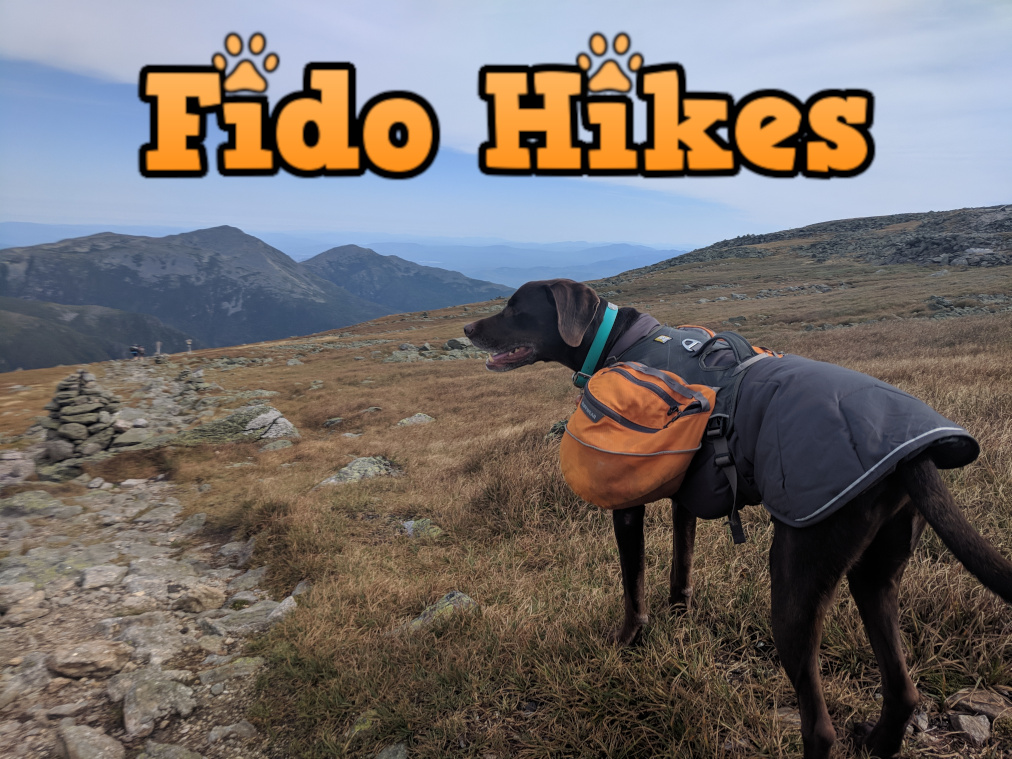
We hiked 900 miles on the Appalachian Trail with our dog Toby. The collar he wore at mile one looked identical at mile 900, no fading, no smell, no wear. That single piece of gear outlasted two pairs of my hiking boots and every other item in Toby’s kit. If you’re looking for the best dog collar for backpackers, the answer is simpler than you think: go waterproof, go engraved, and never look back.
Why Standard Cloth Collars Fail on Trail
A cloth collar works fine in your neighborhood. On trail, it becomes a liability. Standard nylon and fabric collars absorb every creek crossing, rain shower, and mud puddle your dog walks through. That moisture doesn’t just make the collar wet. It creates a breeding ground for bacteria and mold right against your dog’s skin.
On a day hike, you might not notice. On a multi-day trip, the smell becomes unmistakable. By week two of our AT thru-hike, every dog on the trail with a cloth collar had the same problem: a collar so rank you could smell it from five feet away. Some hikers tried washing them in camp. It helped for a few hours. Then the next creek crossing reset the clock.
The deeper issue is drying time. A standard nylon collar takes four or more hours to fully dry in open air. On a humid trail in the Southeast, it might never fully dry between water sources. That constant dampness leads to skin irritation, hot spots, and bacterial buildup underneath the collar. We watched a thru-hiker’s dog develop a raw patch under a cloth collar by Georgia. They switched to a waterproof collar at the next town stop.
There’s also the tag problem. Metal ID tags snag on brush, jangle against trekking poles at night, and eventually fall off. We lost a set of tags in the first week. On a long-distance hike where your dog is miles from home, losing ID is not just inconvenient. It’s a safety risk.
What We Switched To
Before our AT thru-hike, we needed a collar that could handle three months of daily abuse and still keep Toby identified. We found the dogIDs Waterproof Engraved Collar , and it solved every problem we’d had with cloth.
The collar is made from BioThane, a polyester webbing core wrapped in a TPU coating that makes it completely non-porous. Water beads off the surface instead of soaking in. The soft-grip texture means it stays flexible in freezing temperatures and doesn’t get sticky in summer heat. It feels almost like leather, but without any of the maintenance.
The real selling point for backpacking is the laser-engraved nameplate. dogIDs uses commercial fiber laser equipment to deep-engrave stainless steel plates with up to four rows of text: name, phone number, address, whatever you need. The engraving is guaranteed legible for the life of the collar. No tags to lose, no jingling at 2 AM when your dog shifts in the tent.
What Makes It Work for Backpacking
Every feature on this collar solves a specific trail problem. Here’s what matters when you’re carrying everything on your back and your dog is working as hard as you are.
Instant drying. Creek crossings, rainstorms, swimming holes. Wipe the collar with your hand or a bandana and it’s dry in seconds. Not minutes, not hours. Seconds. Compare that to four-plus hours for standard nylon.
Zero odor. BioThane’s non-porous surface means bacteria can’t colonize the material. Three months on the AT, sleeping six inches from Toby’s neck in a hammock, and the collar never developed any smell. This alone makes it worth the switch for any backpacking dog collar.
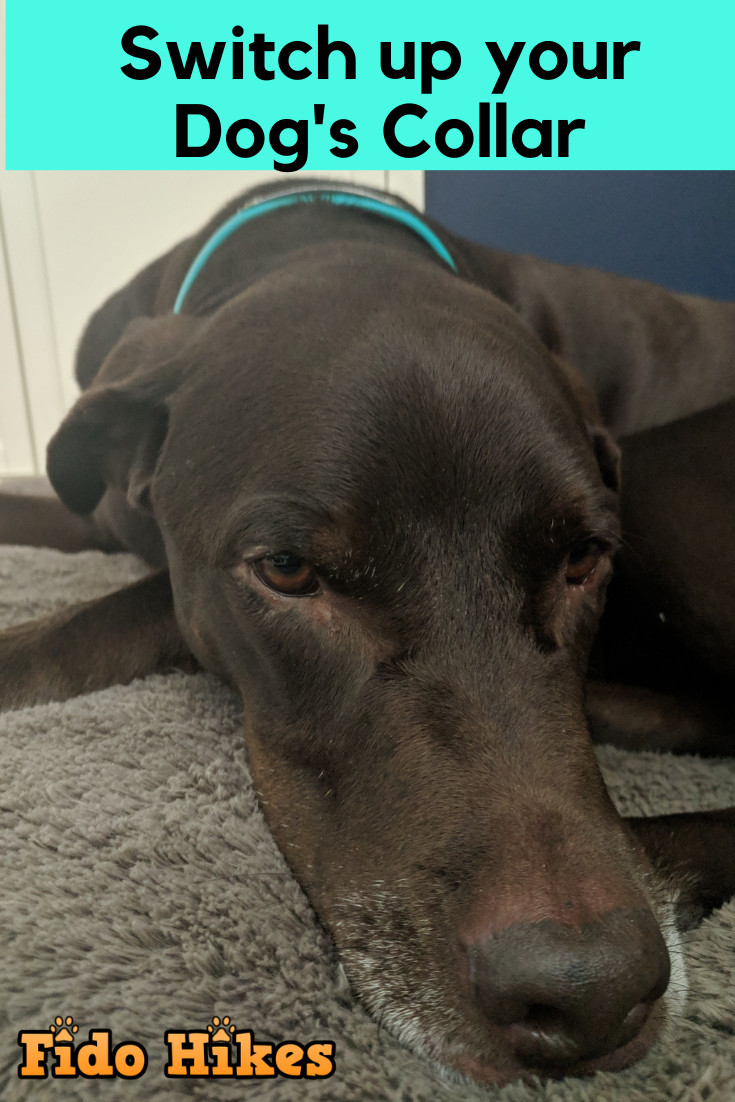
Color retention. Toby wore a bright teal collar. After 900 miles of dirt, mud, river water, and constant sun exposure, the color looked the same as day one. Bright colors aren’t just aesthetic on trail. They help you spot your dog in dense brush and signal to other hikers that your dog is someone’s pet, not a stray.
Laser-engraved ID. No metal tags to jangle, snag, or fall off. The engraved nameplate is riveted directly to the collar. It survived every condition we encountered without any loss of legibility. dogIDs guarantees the engraving for the life of the collar.
Temperature stability. BioThane stays flexible in cold weather and doesn’t soften or warp in heat. We hiked through snow in the Smokies and 90-degree days in Virginia. The collar performed the same in both.
Pros
- Dries in seconds after creek crossings and rain
- Zero odor after three months of continuous trail use
- Laser-engraved ID eliminates the need for metal tags
- BioThane stays flexible in freezing cold and extreme heat
- Color doesn't fade after hundreds of miles of sun and dirt
- Lifetime guarantee on engraving and craftsmanship
Cons
- Limited style options compared to fashion collars
- Around $35, costs more than basic nylon collars
- No reflective strip on the standard model (available on upgraded version)
Trail Performance: 900 Miles on the Appalachian Trail
We put this hiking dog collar through every condition the AT could offer. Rain in the Smokies, river crossings in Virginia, mud in Pennsylvania, snow on exposed ridges. Nine hundred miles over three months of continuous daily wear.
The collar showed zero signs of wear at the end. The buckle operated smoothly, the BioThane hadn’t cracked or faded, and the engraved nameplate was as crisp as the day we received it. Other hikers constantly asked about it. On a trail where most dogs’ collars were faded and reeking by week two, Toby’s collar stood out.
One moment sticks with me. We crossed a waist-deep river in Shenandoah. Toby swam the whole way. I wiped his collar off on the far bank and it was dry before we’d even put our packs back on. The dog behind us had a cloth collar that was still dripping at the next shelter, two miles later.
The engraving held up through conditions I wouldn’t have predicted. Toby scraped through rhododendron tunnels in North Carolina, squeezed under blowdowns, and rolled in everything from mud to creek gravel. The nameplate has surface scratches from the trail, but every character is fully legible.
The Verdict
At around $35, a waterproof engraved collar is one of the cheapest and most impactful upgrades for hiking with your dog. It eliminates odor, dries in seconds, survives any trail condition, and removes the need for dangling ID tags entirely.
We recommend the dogIDs Waterproof Engraved Collar specifically for the BioThane construction, the lifetime-guaranteed laser engraving, and the soft-grip texture that works in any temperature. After 900 miles, it’s the one piece of gear we’d buy again without hesitation.
If you’re planning a thru-hike, a section hike, or even regular weekend backpacking trips with your dog, this is the collar to bring.
Frequently Asked Questions
- Why not just use a regular cloth collar for hiking?
- Cloth collars absorb water, hold odor, and take four or more hours to dry. After a few creek crossings they breed bacteria and start to smell. A waterproof BioThane collar wipes clean in seconds and never absorbs moisture.
- Do you still need metal ID tags with an engraved collar?
- No. Laser-engraved collars fit up to four rows of text, including name, phone number, and address. No metal tags to jangle, snag on brush, or fall off on trail.
- How long does a waterproof collar last on trail?
- Ours lasted our entire 900-mile Appalachian Trail thru-hike and still looks brand new. The BioThane material resists cracking, fading, and odor. dogIDs guarantees the engraving for the life of the collar.
- What is BioThane and why does it matter for hiking?
- BioThane is a polyester webbing core wrapped in a non-porous TPU coating. Water beads off instead of soaking in. It stays flexible in freezing cold, doesn't warp in heat, and never develops the bacterial smell that plagues cloth collars on multi-day hikes.
- Is a waterproof collar comfortable enough for all-day wear?
- Yes. The soft-grip BioThane feels similar to leather but lighter. Toby wore his 24/7 for three months on the AT with no rubbing, hot spots, or irritation. The material stays at a comfortable temperature in both heat and cold.
Trail-Tested with Toby
Everything on FidoHikes comes from real experience — 900 miles on the Appalachian Trail with our dog Toby. No sponsored posts, no armchair advice. Just what actually worked (and what didn't) on the trail.
Read our story →