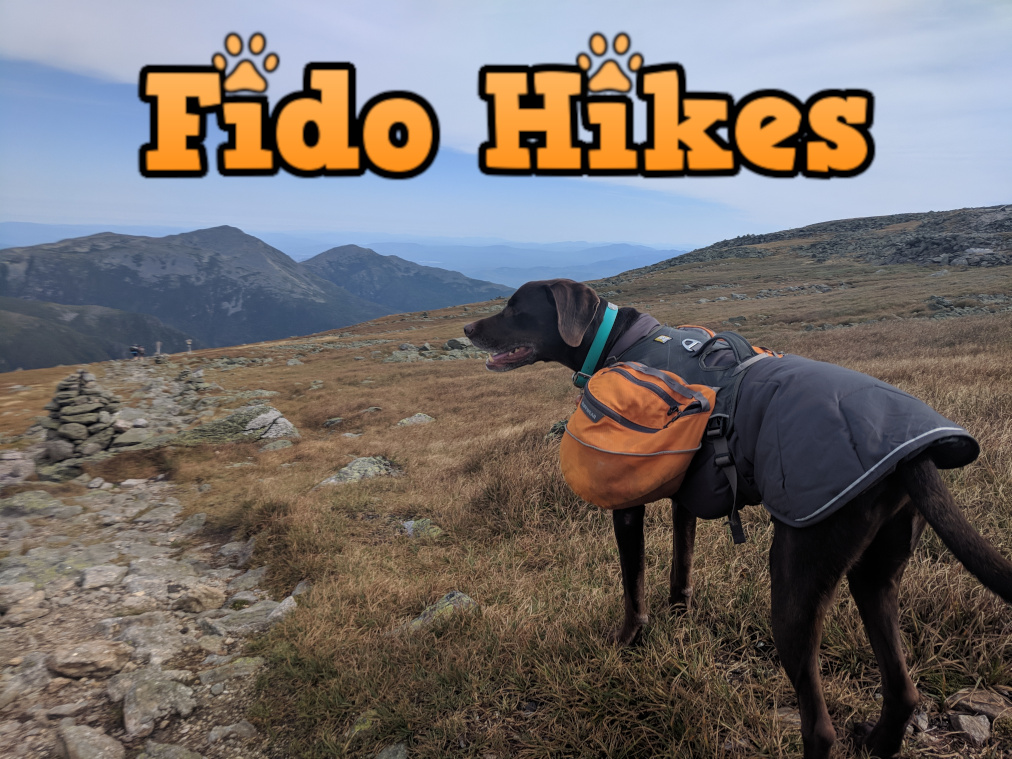

Every new puppy owner wants to share the trail. I get it. When I first brought Toby home, a 12-week-old chocolate lab/GSP mix, I was already mapping out our first backpacking trip. But nobody warns you about this: a tired puppy does not complain during the hike. The damage shows up the next morning, when they struggle to stand.
Most when to hike with puppy advice boils down to “start slow.” That is useless without numbers. This guide gives you breed-size timelines, distance tables by age, surface rules, a vet checklist, and the recovery signs that tell you whether you pushed too hard.
Growth Plates: The Biological Clock Behind Every Puppy Hike
A Yorkie’s growth plates close at 6 months, while a Great Dane’s are not done until age 2. That single fact should change how you plan every puppy hike.
Growth plates are soft cartilage zones at the ends of your puppy’s long bones. They are the last part of the skeleton to harden into solid bone. While they are still open, they are the weakest link in the skeletal chain. Repetitive impact on open growth plates can cause permanent joint damage, angular limb deformities, and early-onset arthritis. Injuries before 8 months are particularly devastating and can cause permanent limb deformity requiring surgery.
Here is when those plates typically close:
| Breed Size | Adult Weight | Closure Window | Example Breeds |
|---|---|---|---|
| Toy/Small | Under 20 lbs | 6-8 months | Chihuahua, Yorkie, Maltese |
| Medium | 20-50 lbs | 10-12 months | Beagle, Cocker Spaniel, Border Collie |
| Large | 50-90 lbs | 14-16 months | Labrador, Golden Retriever, German Shepherd |
| Giant | 90+ lbs | 18-24 months | Great Dane, Mastiff, St. Bernard |
You have probably heard the “5-minutes-per-month-of-age” rule. It is widely repeated, but it lacks formal scientific backing according to veterinary rehabilitation sources. Breed size matters far more than a simple formula. A 6-month-old Chihuahua whose plates are nearly closed is in a completely different category than a 6-month-old Mastiff who has over a year of growth remaining.
One more factor that extends the vulnerable window: early spay or neuter before 12-18 months can delay growth plate closure. If your puppy was altered early, talk to your vet about adjusting these timelines.
For large and giant breeds, PennHIP screening is available as early as 16 weeks. Hip laxity measured at that age is predictive of adult hip laxity, so this is worth the conversation at your next vet visit.
How Far Can a Puppy Hike? Distance and Time by Age
Find your puppy’s breed size in the table below, match their age, and you have your maximum distance. These are maximums, not targets. A shorter hike is always fine. Going longer is where damage happens.
| Breed Size | Age | Max Time | Max Distance | Surface |
|---|---|---|---|---|
| Small (under 20 lbs) | 3-4 months | 15-20 min | 0.5 miles | Flat grass/dirt only |
| Small (under 20 lbs) | 5-6 months | 30 min | ~1 mile | Easy soft trail |
| Small (under 20 lbs) | 6-8 months | 45 min | 1.5-2 miles | Easy trail |
| Medium (20-50 lbs) | 3-5 months | 20-25 min | 0.75 miles | Flat grass/dirt |
| Medium (20-50 lbs) | 6-8 months | 30-40 min | 1.5 miles | Soft flat trail |
| Medium (20-50 lbs) | 8-12 months | 45-60 min | 2-3 miles | Moderate trail |
| Large (50-90 lbs) | 6-8 months | 35-45 min | 1-1.5 miles | Soft flat trail |
| Large (50-90 lbs) | 8-12 months | 45-60 min | 1.5-2.5 miles | Soft trail, rest breaks |
| Large (50-90 lbs) | 12-14 months | 90 min | 3-4 miles | Moderate terrain |
| Giant (90+ lbs) | Up to 18 months | 20-30 min | 0.25 miles | Flat grass/soft dirt ONLY |
| Giant (90+ lbs) | 18-24 months | 45 min | 1-2 miles | Soft flat trail with vet guidance |
For puppies under 6 months, build in a rest break every 15-20 minutes. Sit in the shade, offer water, and watch how they recover. If panting does not settle within a few minutes of rest, turn around.
Off-leash free play on soft surfaces before 3 months was associated with lower hip dysplasia risk in one study. Short, self-directed exploration on grass is fundamentally different from a structured hike where your puppy has to match your pace. Let them set the tempo whenever possible.
Trail Surface Guide for Growing Puppies
You kept the distance short, but the rocky switchback trail was the wrong surface for a 5-month-old. Distance is only half the equation. The surface under your puppy’s paws matters just as much, and sometimes more.
| Puppy Age | Safe Surfaces | Avoid |
|---|---|---|
| Under 6 months | Grass, soft dirt | Pavement, rocky terrain, gravel, steep inclines |
| 6-12 months | Flat packed dirt, fine gravel | Pavement running, rocky scrambles, steep grade |
| 12-18 months (large breeds) | Packed dirt, gravel, moderate grade | Rocky/technical terrain, sustained steep ascent |
| Post-closure | All surfaces (build up gradually) | — |
The pavement trap catches more puppy owners than any trail hazard. Pavement and asphalt can be 60 degrees hotter than the air temperature. Five minutes on hot asphalt is enough to burn puppy paw pads. This applies to parking lots and paved trailheads, not just sidewalks.
Use the 7-second test before every hike: press the back of your hand flat against the pavement. If you cannot hold it there for a full 7 seconds, it is too hot for your puppy’s paws.
Elevation matters too. Downhill is worse than uphill for joint impact. The braking force on a descent loads the front joints much harder than climbing does. Keep it flat until growth plates are confirmed closed.
Slippery surfaces like wet rock and mud specifically increase the risk of soft tissue and growth plate injuries from twisting movements. Avoid them entirely until your puppy is mature.
Shallow creek crossings are great for puppies: low-impact, cooling, and fun. Deep water crossings pose a real drowning risk for young puppies who have not developed swimming skills.
Pre-Trail Checklist: Vaccines, Vet Clearance, and Basic Commands
Your puppy might be old enough to hike, but age is only one of three gates you need to clear before hitting the trail. All three need a green light.
| Gate | Minimum Requirement | Typical Age Ready |
|---|---|---|
| Vaccination | 2 weeks post-final core vaccine (~16 weeks) | ~18 weeks / 4.5 months |
| Vet clearance | Vet confirms joint health, discusses breed-specific risk | Before first hike |
| Commands | Recall (reliable in distractions), Leave it, Sit/Stay | Varies, train at home first |
For vaccination, the standard core series finishes around 16 weeks, and you want a two-week buffer after the final round before exposing your puppy to high-traffic trails. Trail-specific vaccines to discuss with your vet: Leptospirosis, which spreads through streams and wildlife urine in standing water, and Lyme vaccine for tick-endemic areas. Your local trail system determines which matter.
For large and giant breeds, ask about PennHIP screening at 16 weeks. This early screening can flag hip laxity before you start building hiking habits.
Recall is non-negotiable before any off-leash time. Use a 30-foot long line as an intermediate step between a standard 6-foot leash and true off-leash freedom. Leave it is critical for trail hazards like wild mushrooms, animal scat, and foxtails. Keep your puppy leashed until recall is 100% reliable in distracting environments. For most dogs, that means 12-18 months of consistent training.
Microchip your puppy and update ID tags before trail exposure. Trails present more escape opportunities than neighborhood walks, and a lost puppy without identification may not come home.
See our trail training basics guide for the full obedience progression.
Gear for Puppy Hikers: Harness Fit and Pack Weight Timing
One harness that fits your puppy now and still fits at full grown, with a front clip that actually stops pulling. That is what you need for the first year, not a gear closet full of outgrown equipment.
Collars put all pulling force on the trachea. Harnesses distribute that force across the chest and shoulders. For puppies still learning leash manners, a harness is not optional. A rear-clip-only harness actually encourages pulling, so look for a front clip option that redirects forward lunges into a chest turn.
The Ruffwear Front Range Harness ($59.99, 0.37 lbs) is the one I recommend for puppy hikers. Foam-padded, dual clip design with a front attachment for pulling redirect and a back attachment for regular hiking. Four-point adjustment means you can dial in the fit as your puppy grows. Sizes run from XXS (13-17 inch chest) through L/XL (32 inches and up). When between sizes, go up. Re-measure every 4-6 weeks during the first year.
For the full comparison of our top picks, see the best dog harness for hiking guide.
Pack weight timeline. Simple and non-negotiable:
- Under 18-24 months: No weight in a pack. Zero.
- 8 months: Empty pack intro is fine. Gets them used to the fit and feel.
- 18-24 months: Start at 10-15% body weight maximum.
- Conditioned adults: Up to 25% body weight after gradual buildup.
Heat, Cold, and Weather Safety for Puppy Hikes
Puppies under 6 months cannot regulate body temperature as efficiently as adult dogs. Their thermoregulation systems are still developing, which makes them more vulnerable to both heat and cold than you might expect.
| Conditions | Risk for Puppies | Max Duration | Required Gear | Watch For |
|---|---|---|---|---|
| Above 80°F | High (overheating) | 20-30 min early AM/PM | Water every 15-20 min | Panting, red gums, slowing |
| 50-80°F | Low | Normal limits from table | Water | Normal fatigue signs |
| 35-50°F | Moderate | Normal limits | Jacket for short-coated/small breeds | Shivering, reluctance to move |
| Below 35°F | High (hypothermia) | 15-20 min max | Insulated jacket, boots for ice | Shivering, hunching, stiffness |
In summer, hike early morning before 9am or evening after 6pm. The 7-second pavement test from the trail surface section applies double in hot weather. Heatstroke begins when a dog’s core temperature reaches 105°F, and puppies get there faster than adults.
For hydration, plan on at least 8 oz of water per mile for a 20-lb puppy. Bring more than you think you need and offer it every 15-20 minutes rather than waiting for your puppy to ask.
Short-coated puppies like Labs, Pit mixes, and Vizslas need a jacket below 45°F. Hypothermia begins when core temperature drops below 99°F. Watch for shivering, hunching, or stiffness. If you see any of those, head back to the car.
Signs You Hiked Your Puppy Too Far (And What to Do About It)
The scariest thing about over-hiking a puppy is that they will not tell you during the hike. Puppies mask pain. The excitement of new smells, new terrain, and being with you overrides every discomfort signal their body sends. The damage shows up the next morning.
During the hike, stop immediately if you see any of these:
- Heavy panting that does not resolve with a 5-minute rest
- Repeated stopping or lying down on trail
- Limping or favoring a leg
- Bright red or pale gums
- Seeking shade and refusing to move
The next-morning test is the real indicator. Reluctance to stand, a stiff gait, or yelping when touched means you overdid it. Your puppy was not going to give you that signal on the trail.
| Scenario | Immediate Action | Next Hike |
|---|---|---|
| Tired but fine next morning | Normal rest evening | Proceed normally |
| Stiff next morning, recovers by afternoon | 24-hr rest, leash-only potty breaks | Reduce distance 50% |
| Limping next morning, does not resolve | 48-hr rest | Vet visit if no improvement |
| Not bearing weight, visible swelling | Vet same day | Hold until cleared |
Keep a simple log of each hike: distance, terrain, weather, and next-day status. After a few weeks, you will see patterns. Maybe your puppy handles 1.5 miles on dirt fine but struggles after a mile on gravel. That data prevents repeat overexertion.
Frequently Asked Questions
- Can I hike with my puppy before vaccinations are complete?
- Stick to low-traffic grass or your own yard. Avoid popular trailheads and standing water until two weeks after the final core vaccine, typically around 18 weeks. The risk is parvovirus and leptospirosis from wildlife and unvaccinated dogs.
- Is the 5-minutes-per-month-of-age rule accurate?
- Rough starting point, but it lacks formal scientific backing. Breed size matters far more. A 6-month-old Maltese with nearly closed growth plates has very different limits than a 6-month-old Great Dane. Use the distance table in this guide instead.
- Can I take my puppy on a long hike if I carry them part of the way?
- Carrying for trail exposure is great in the first few months. But if you are carrying them because they are too tired to walk, the hike was already too long. The joint stress happened on the walking portion. Plan distance around what they can handle on their own four feet.
- When can my puppy start running on trails?
- Wait until growth plates are confirmed closed. Running forces a puppy to maintain your pace rather than self-regulating, which stresses developing joints far more than free play. For most breeds, no running until 12-18 months.
- How often should I hike with my puppy?
- Two to three short hikes per week with at least one rest day between outings. Consecutive days compound stress on developing joints. Watch the next-morning test after each hike and adjust frequency based on recovery, not enthusiasm.
Trail-Tested with Toby
Everything on FidoHikes comes from real experience — 900 miles on the Appalachian Trail with our dog Toby. No sponsored posts, no armchair advice. Just what actually worked (and what didn't) on the trail.
Read our story →Related Articles
7 Best Dog Harnesses for Hiking (Trail-Tested)
Trail-tested reviews of the best dog harness for hiking: Ruffwear Front Range, Web Master, Kurgo, and more. Price, weight, pros/cons, and grab handle ratings.
How to Stop Your Dog from Pulling on the Leash (Trail-Tested Method)
Tired of being dragged on every hike? This trail-tested method teaches loose leash walking step by step, from the 3-second timing window to full trail proofing.